
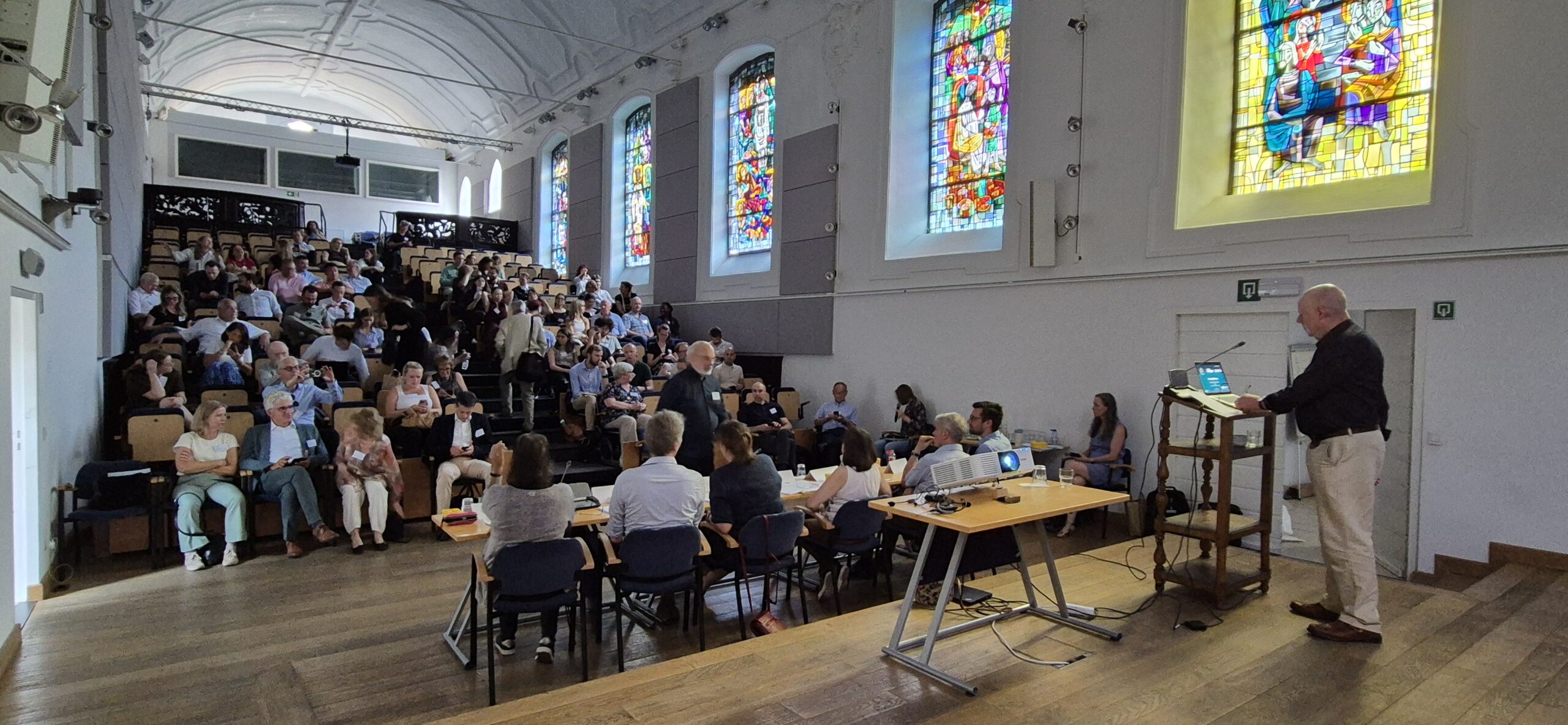
Moving the debate forward at the Leuven conference

Peter Totterdill
Workplace Innovation Europe Ireland
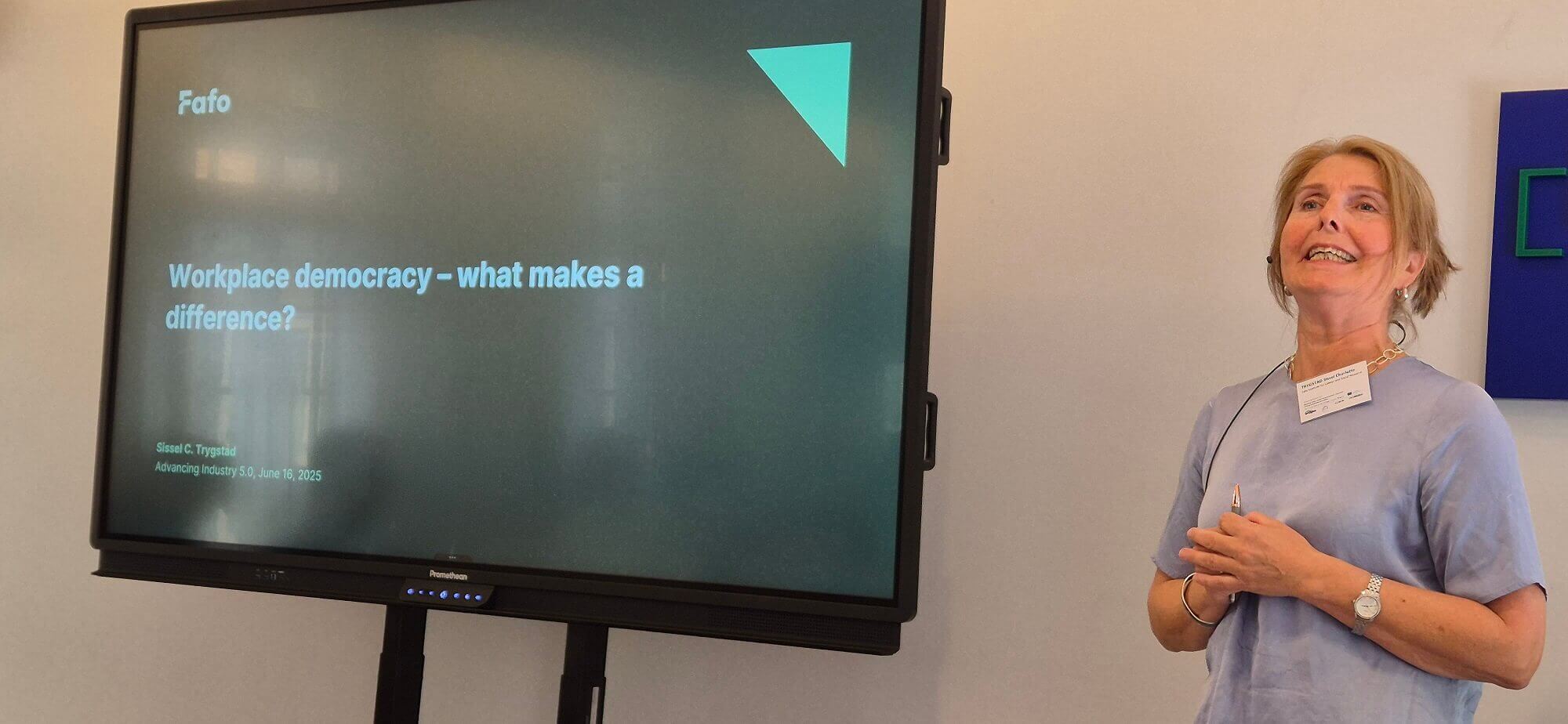
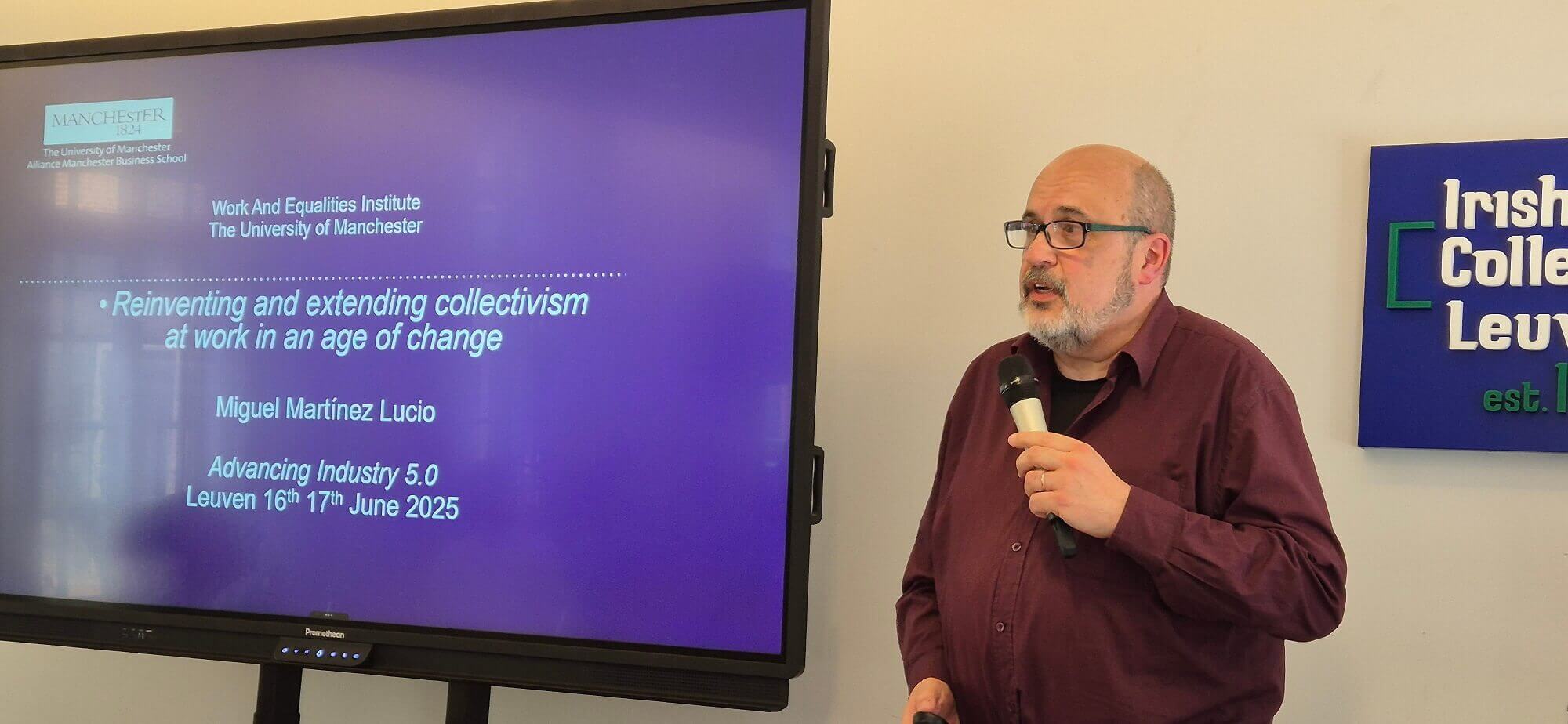
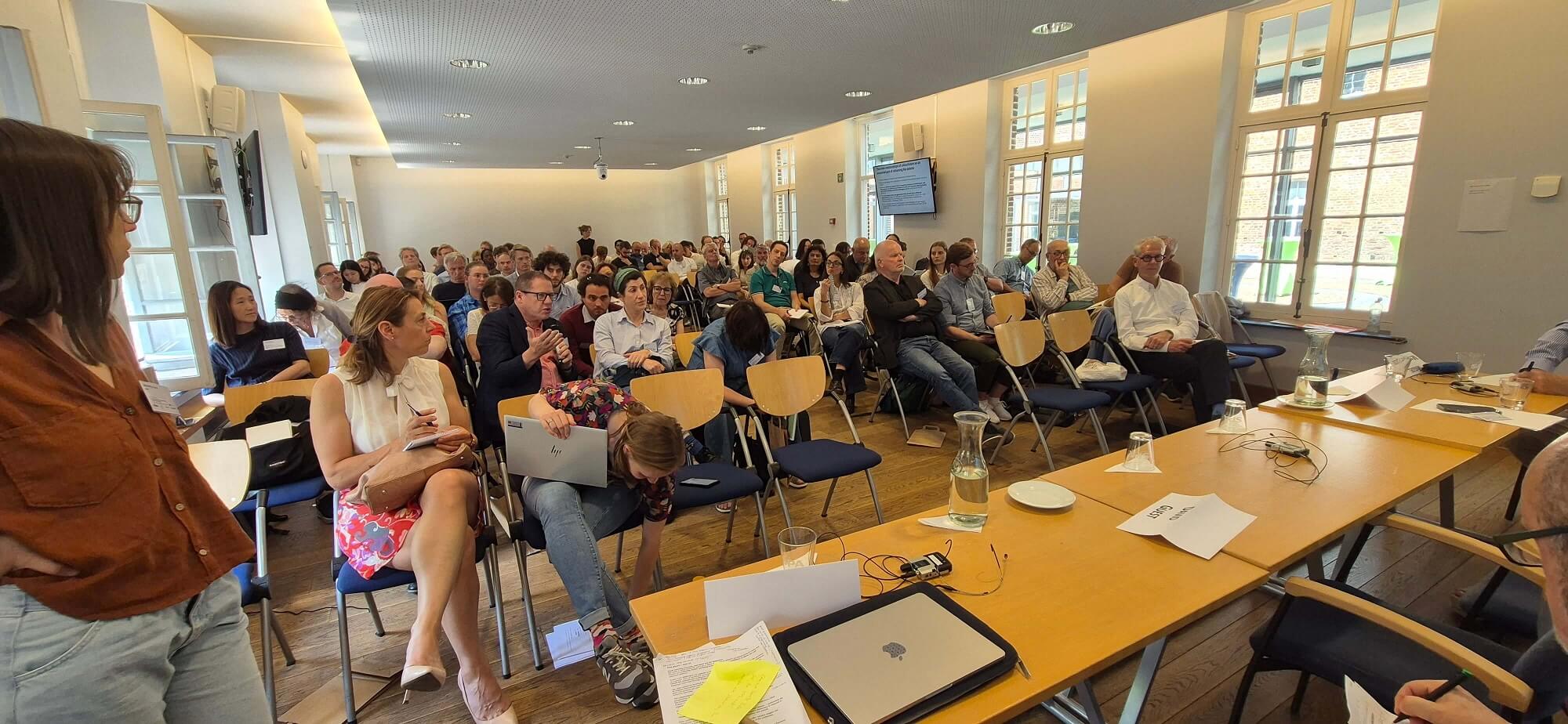
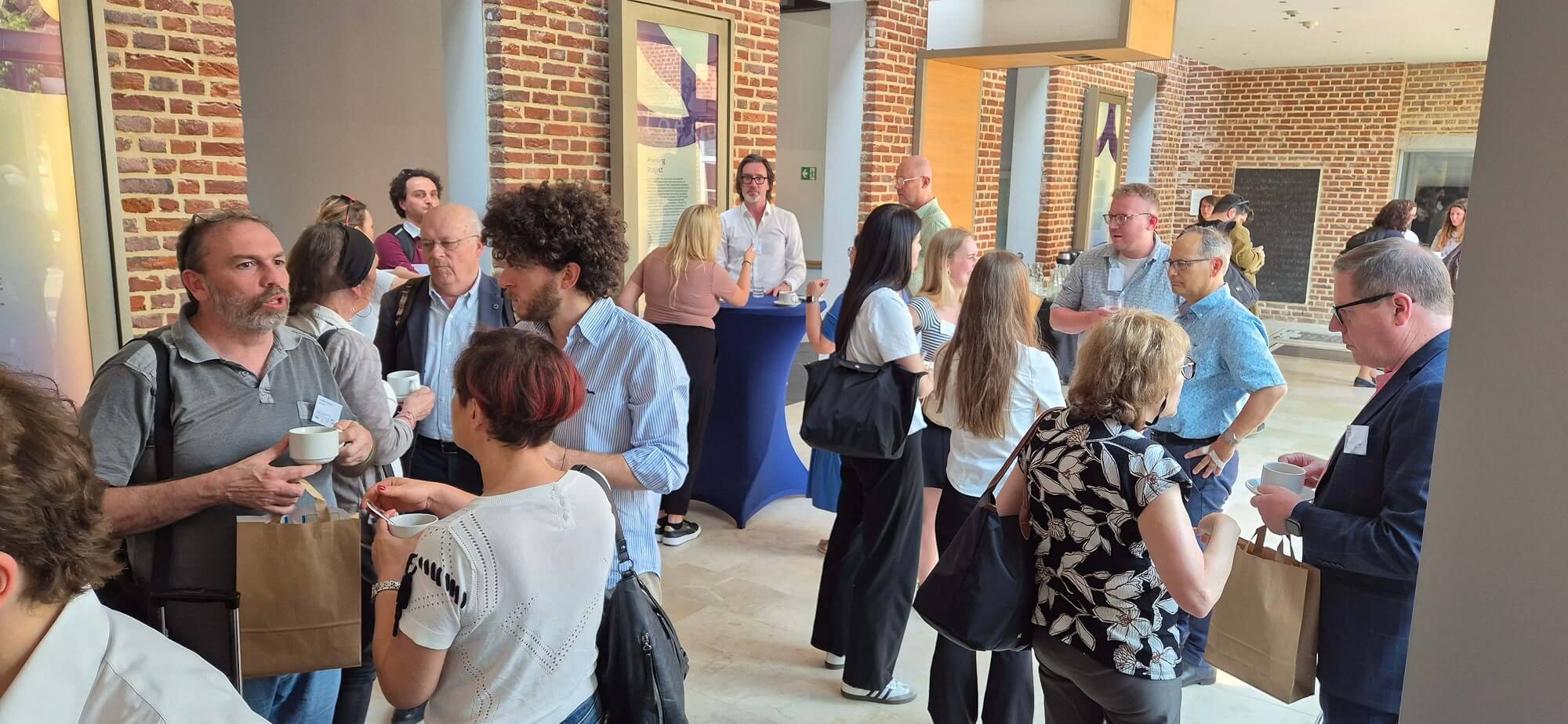
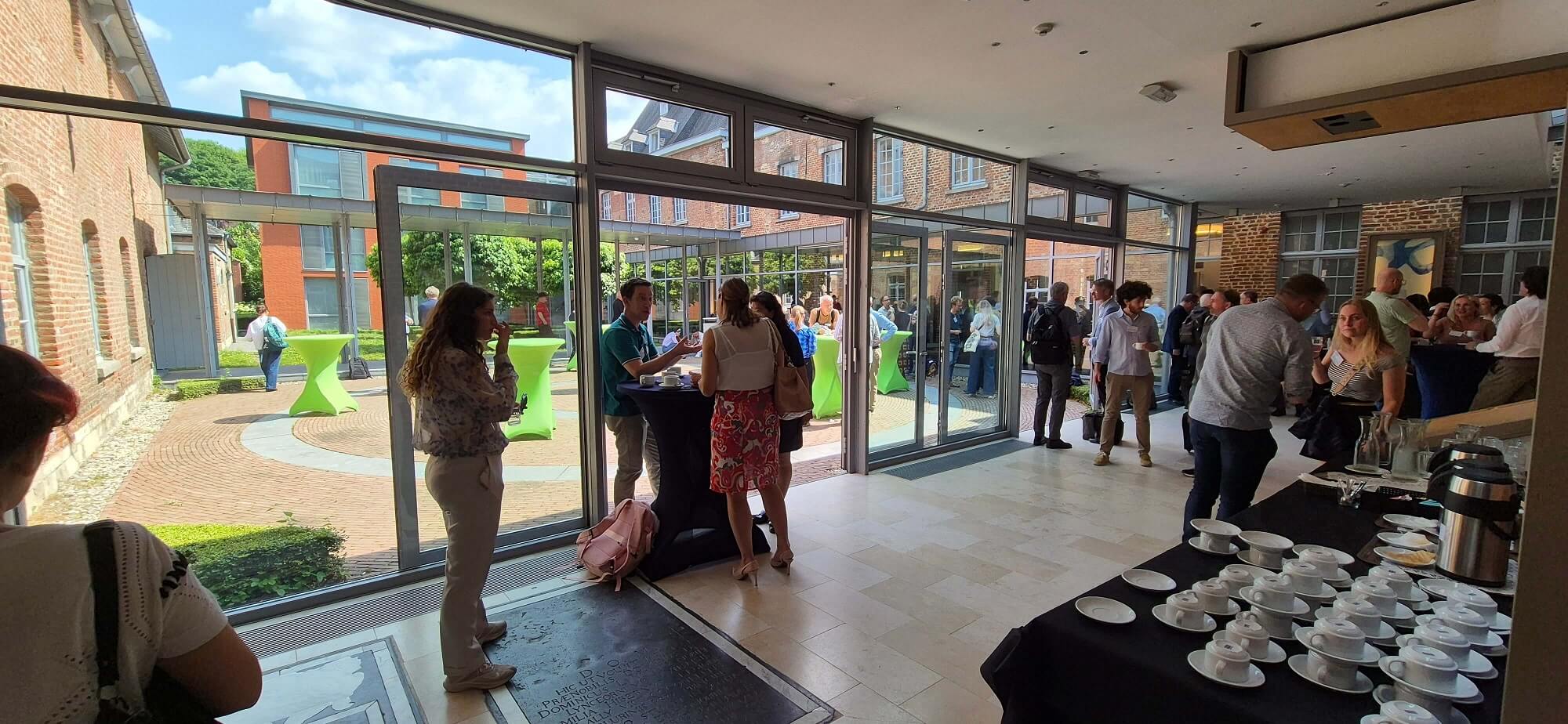
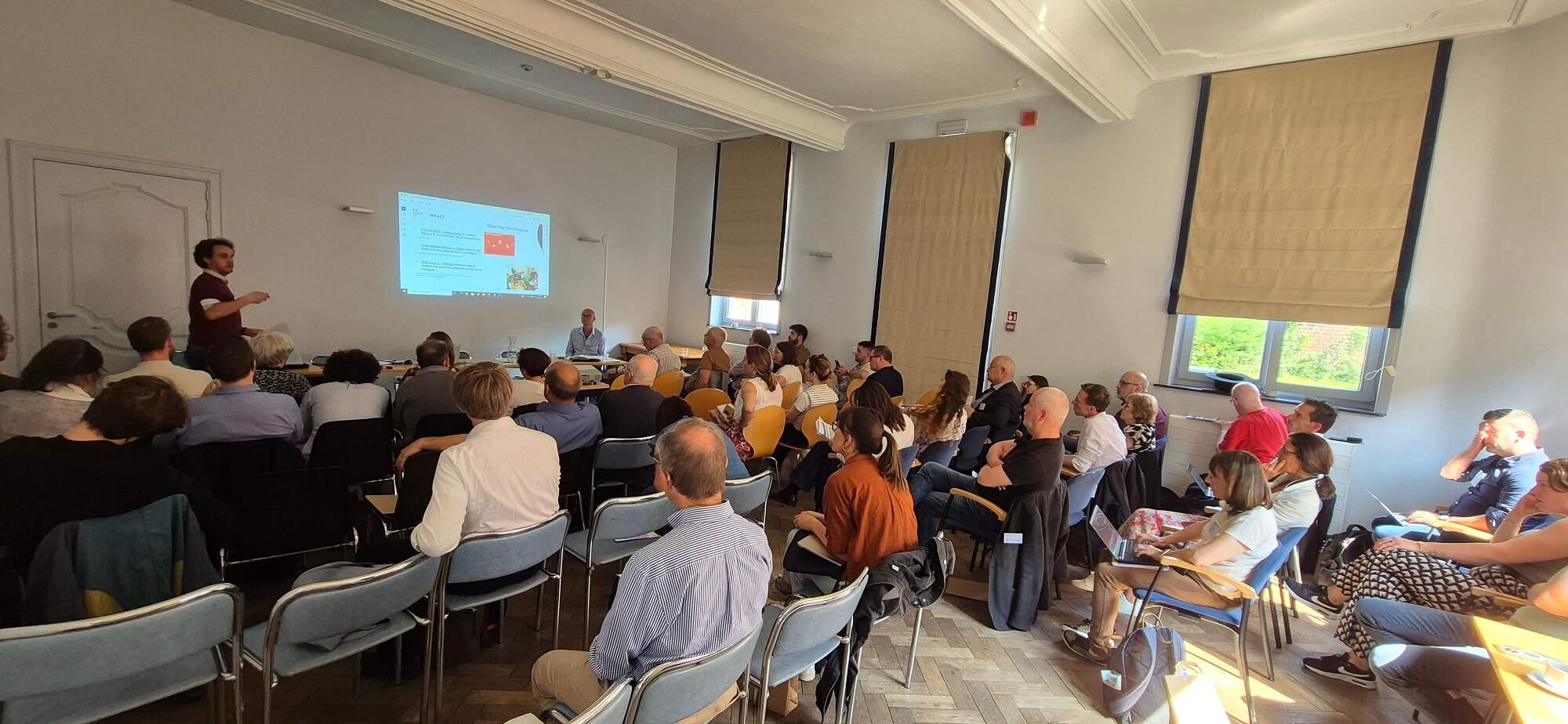
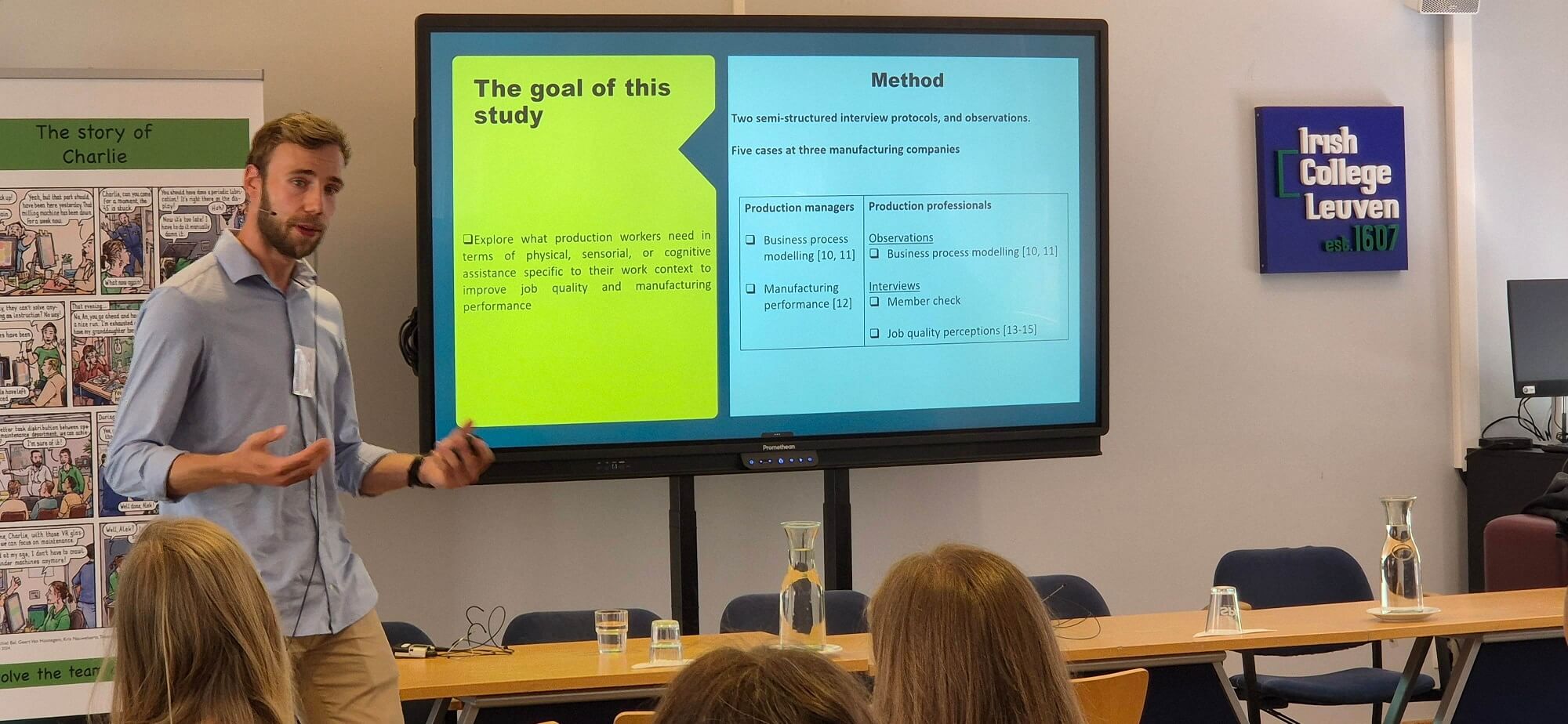
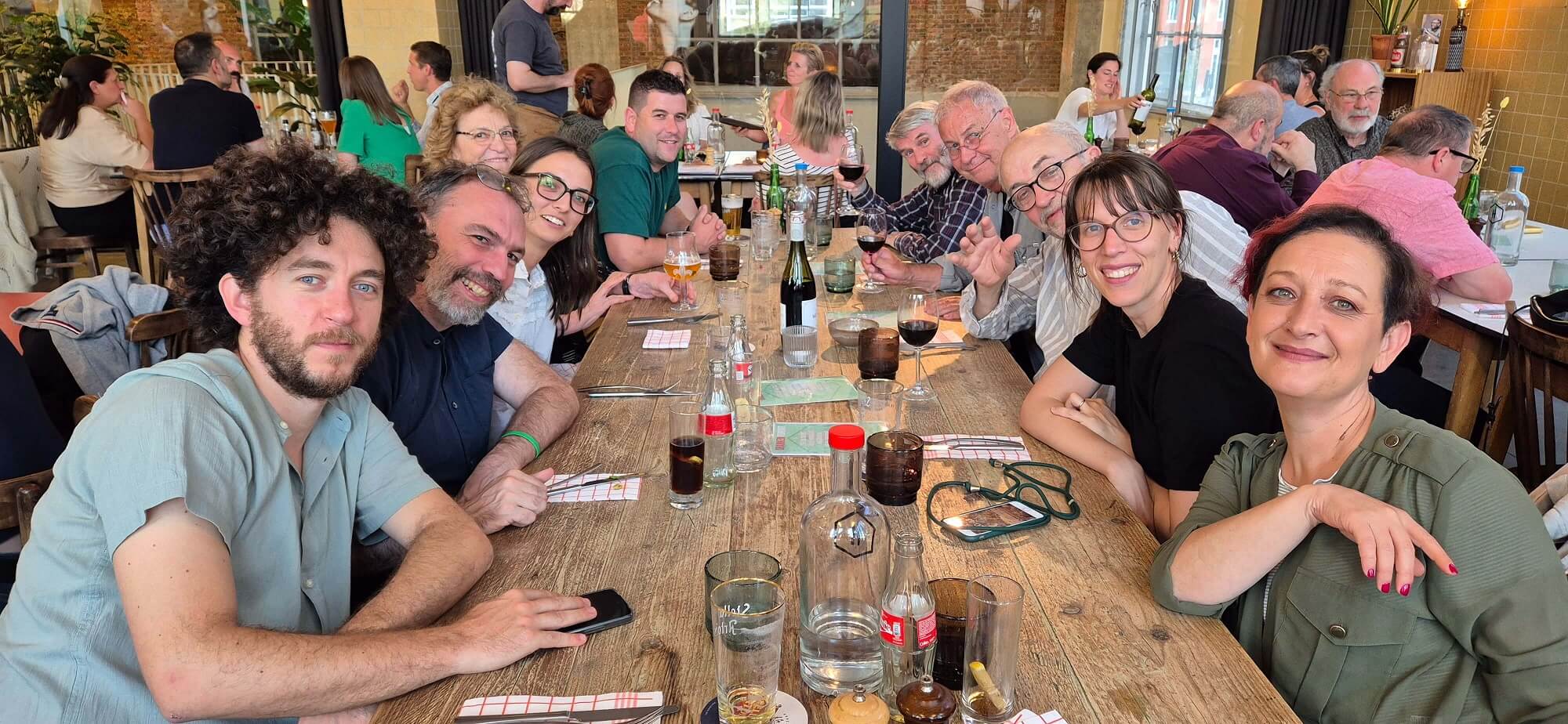
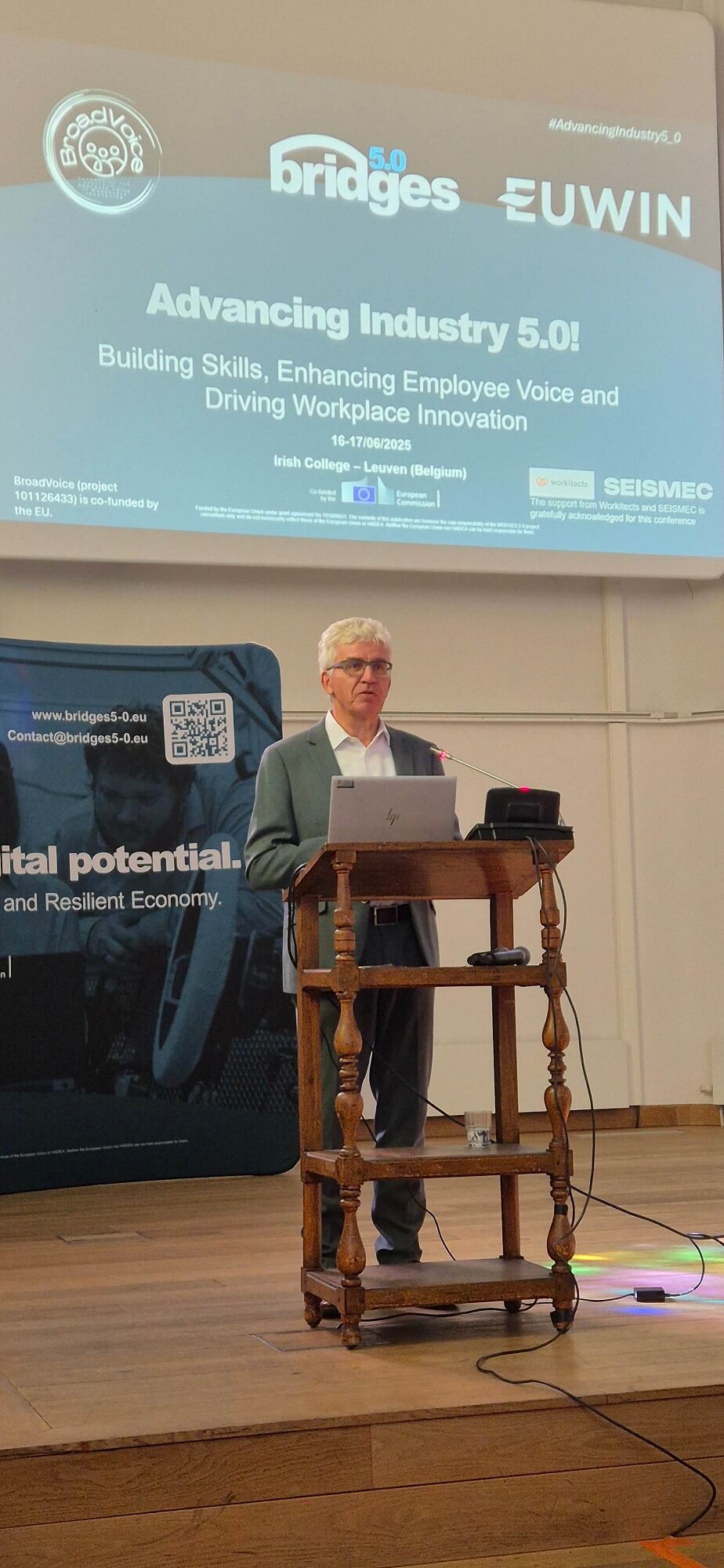
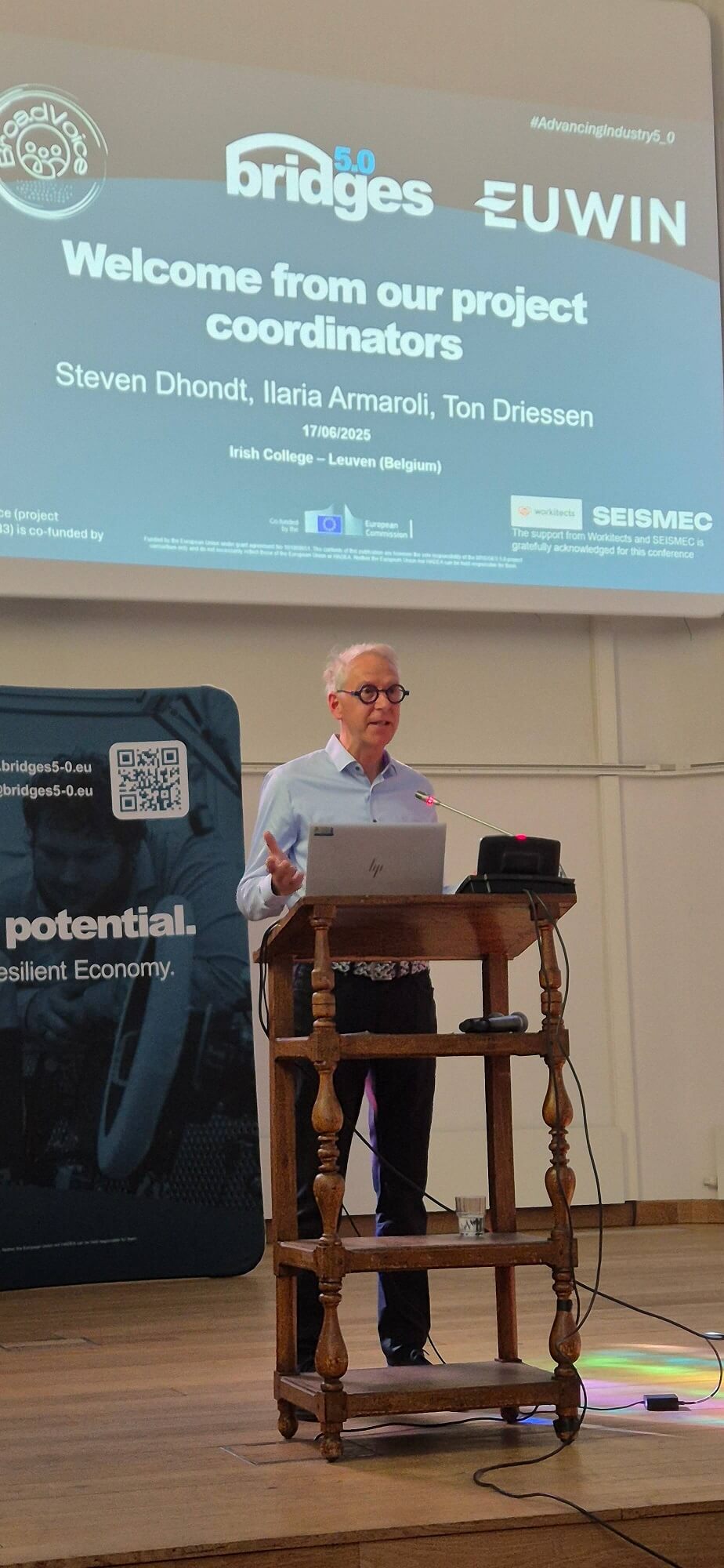
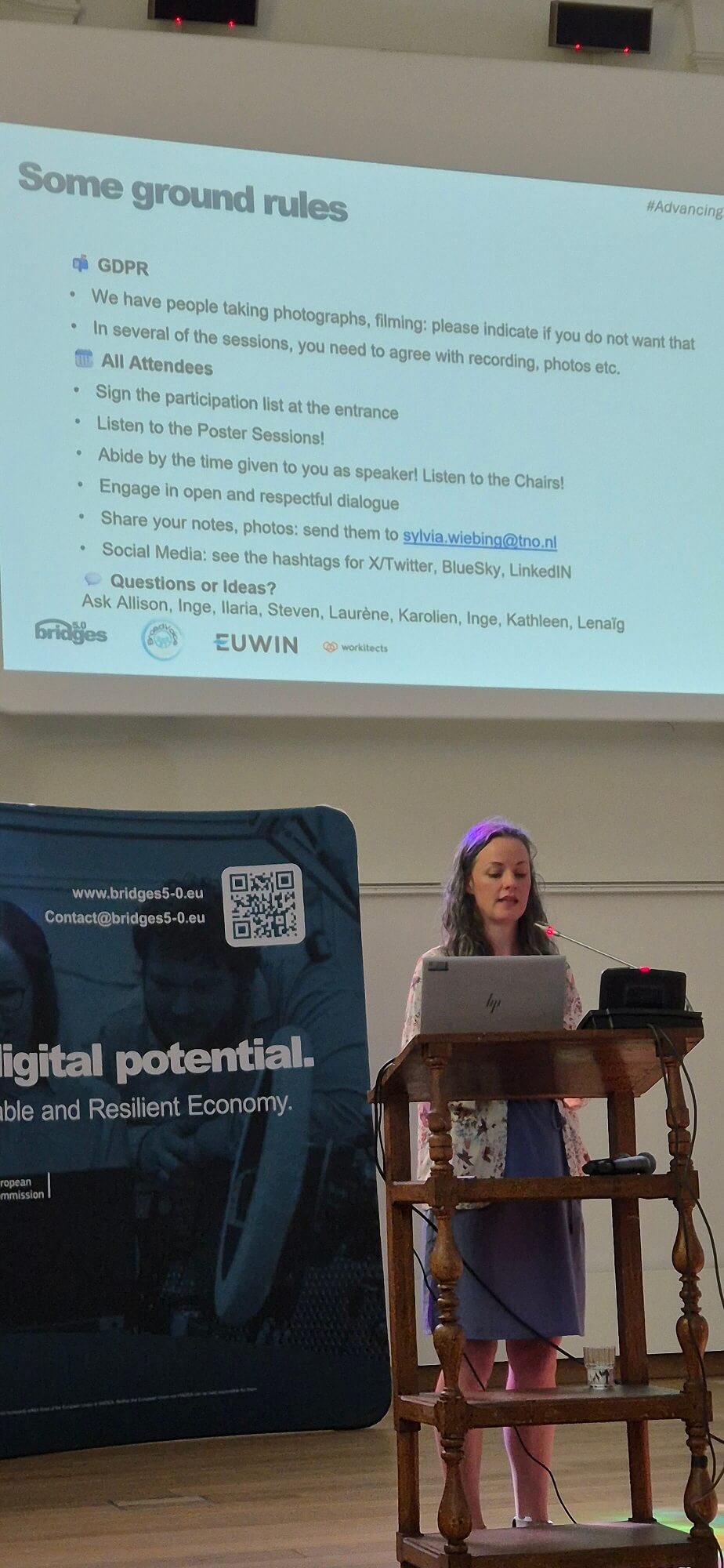
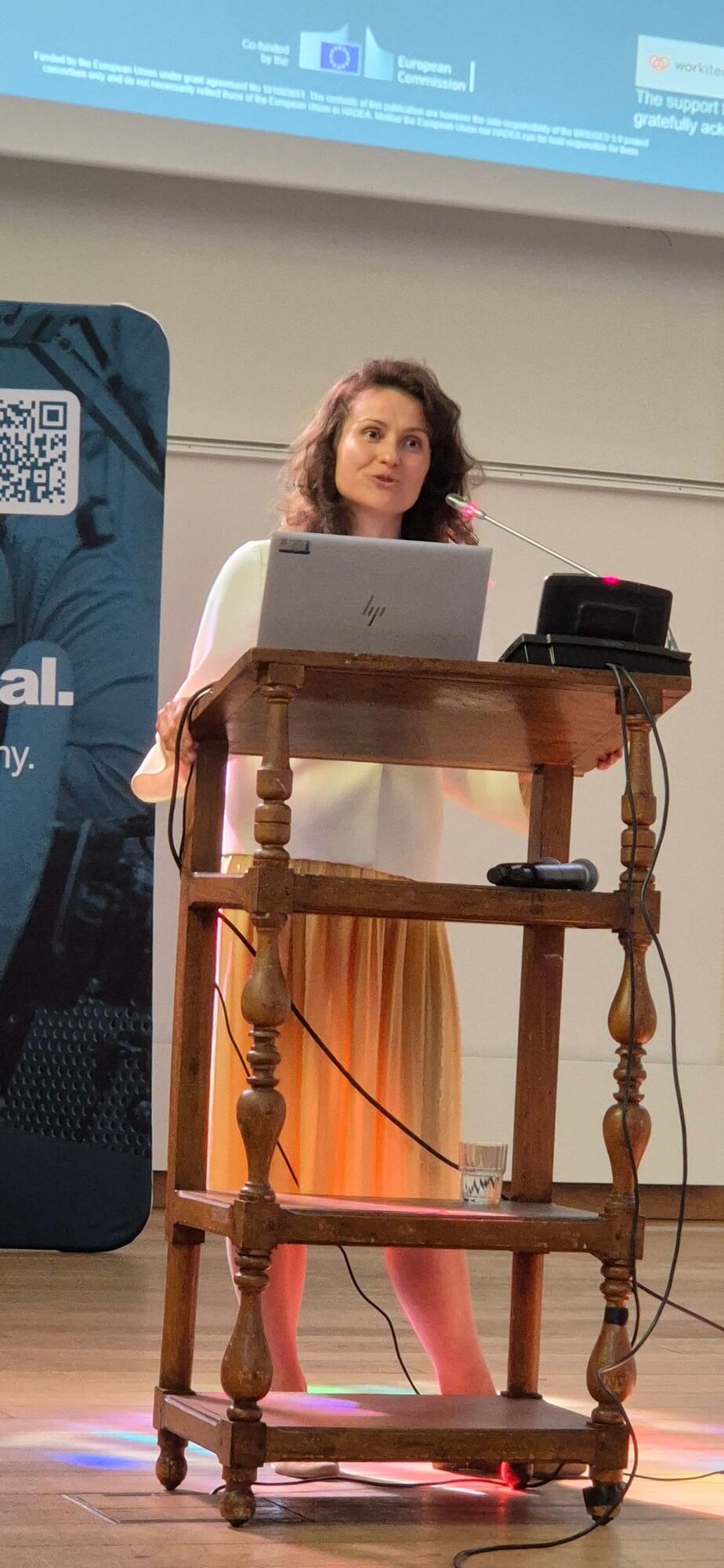
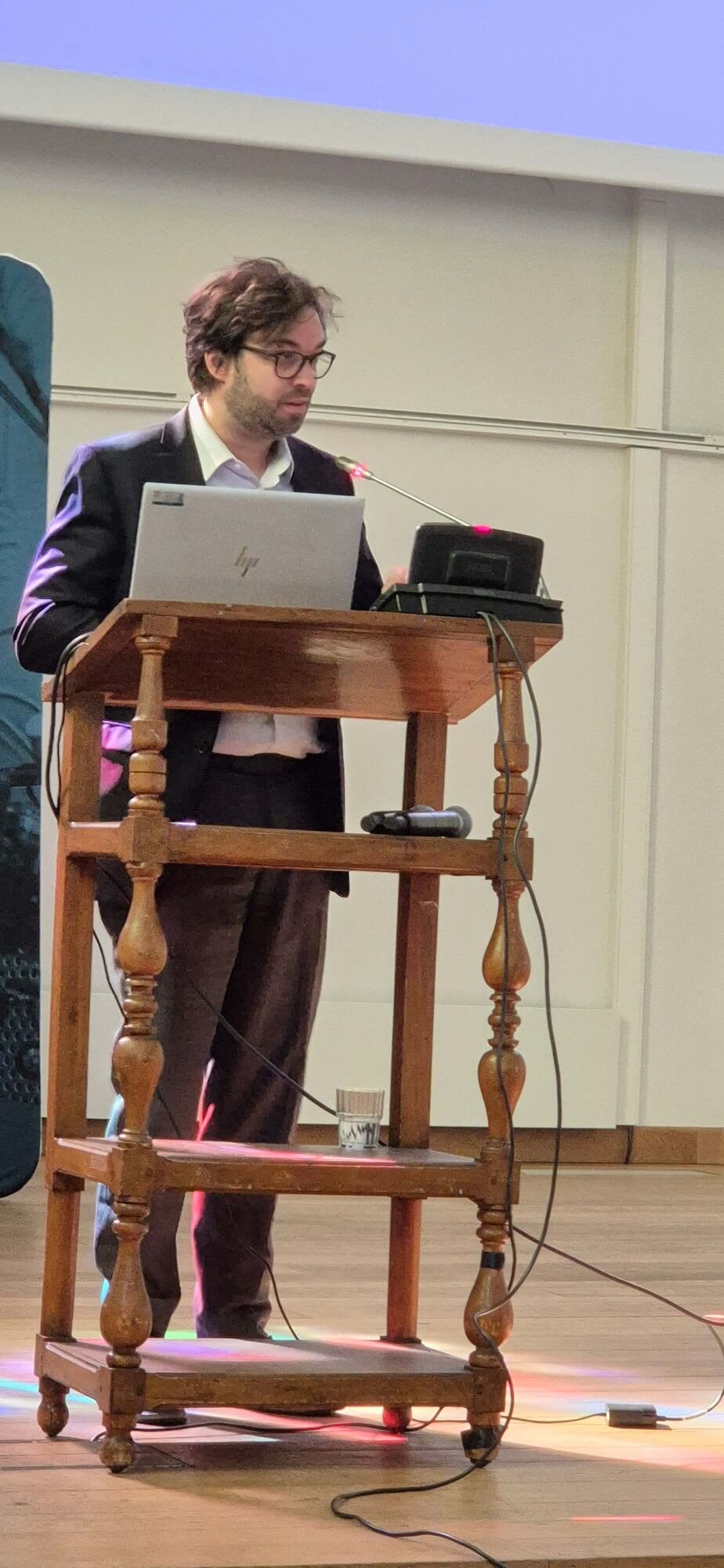
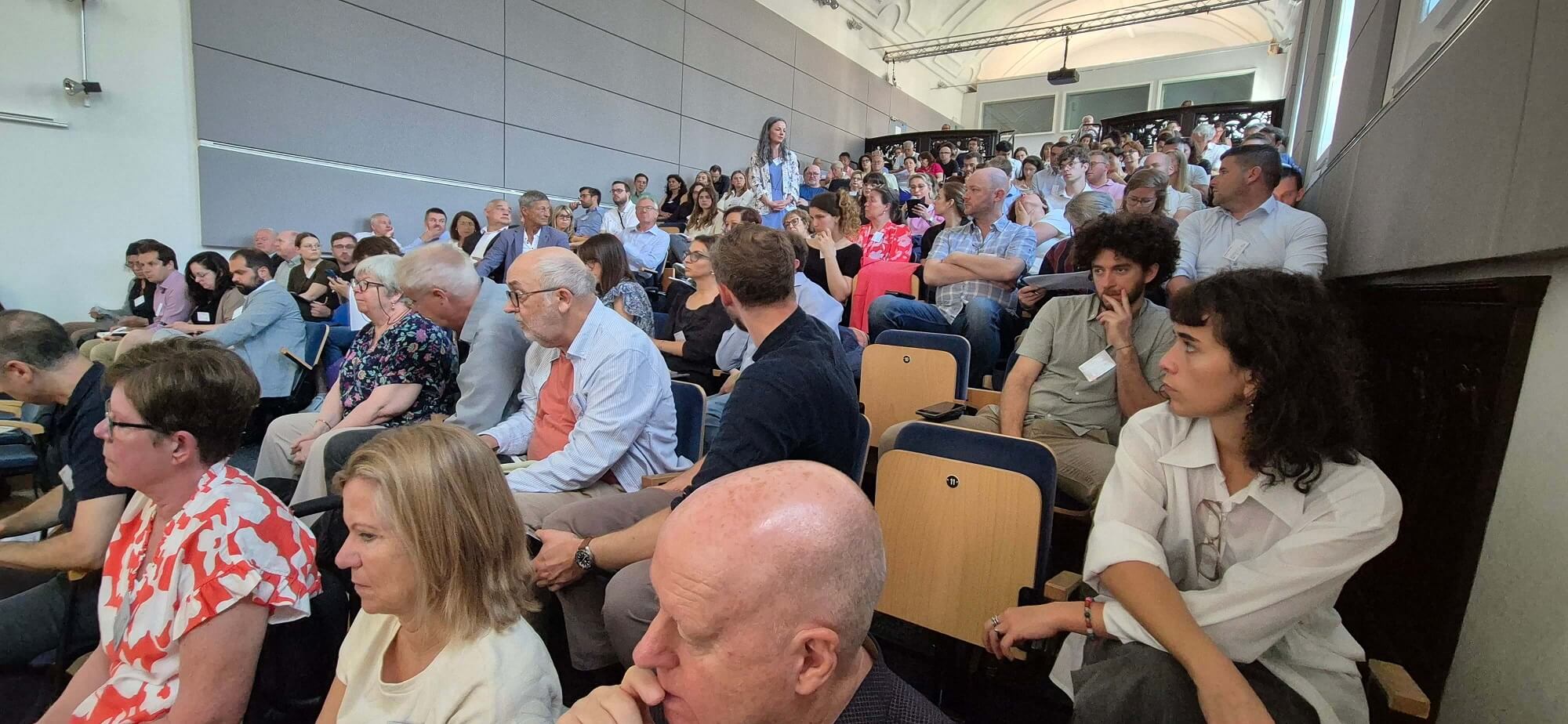
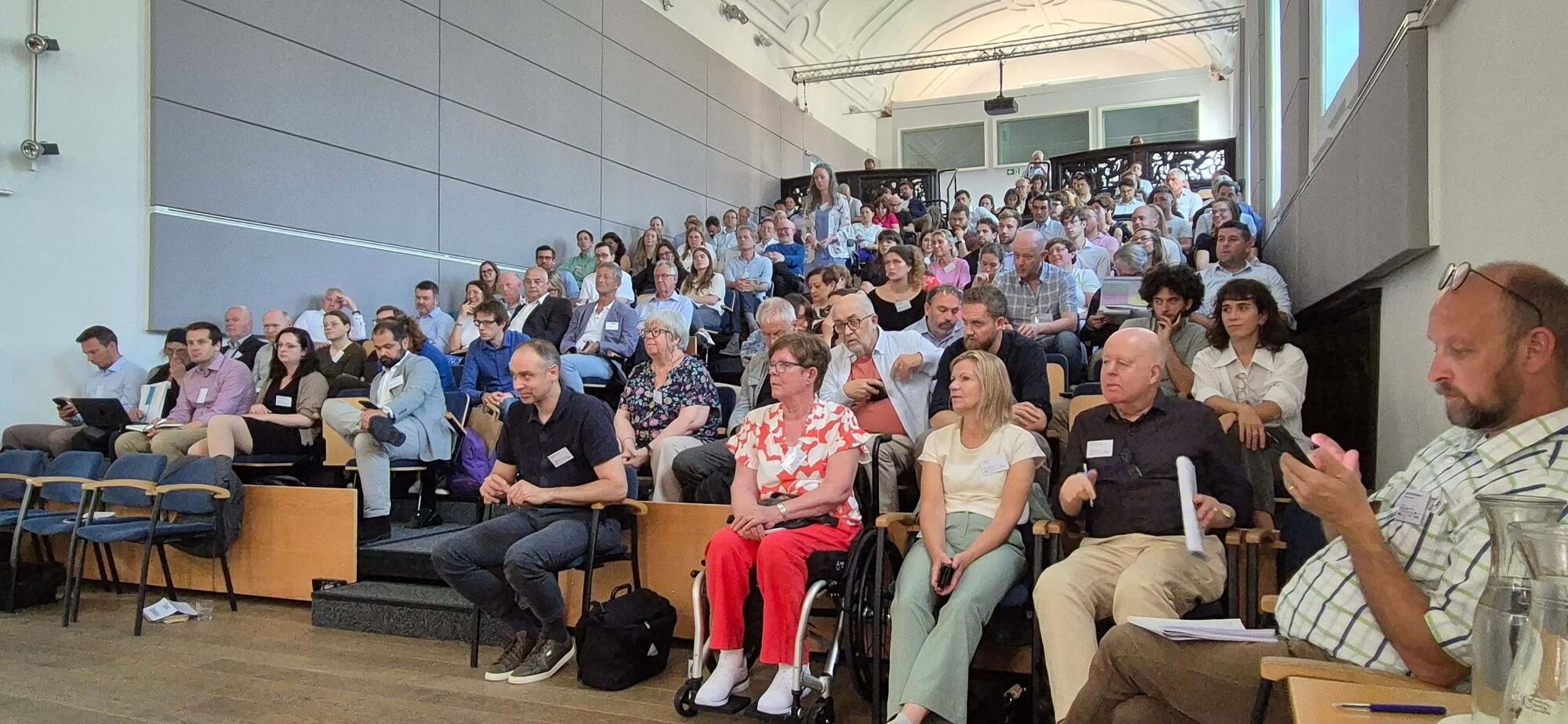
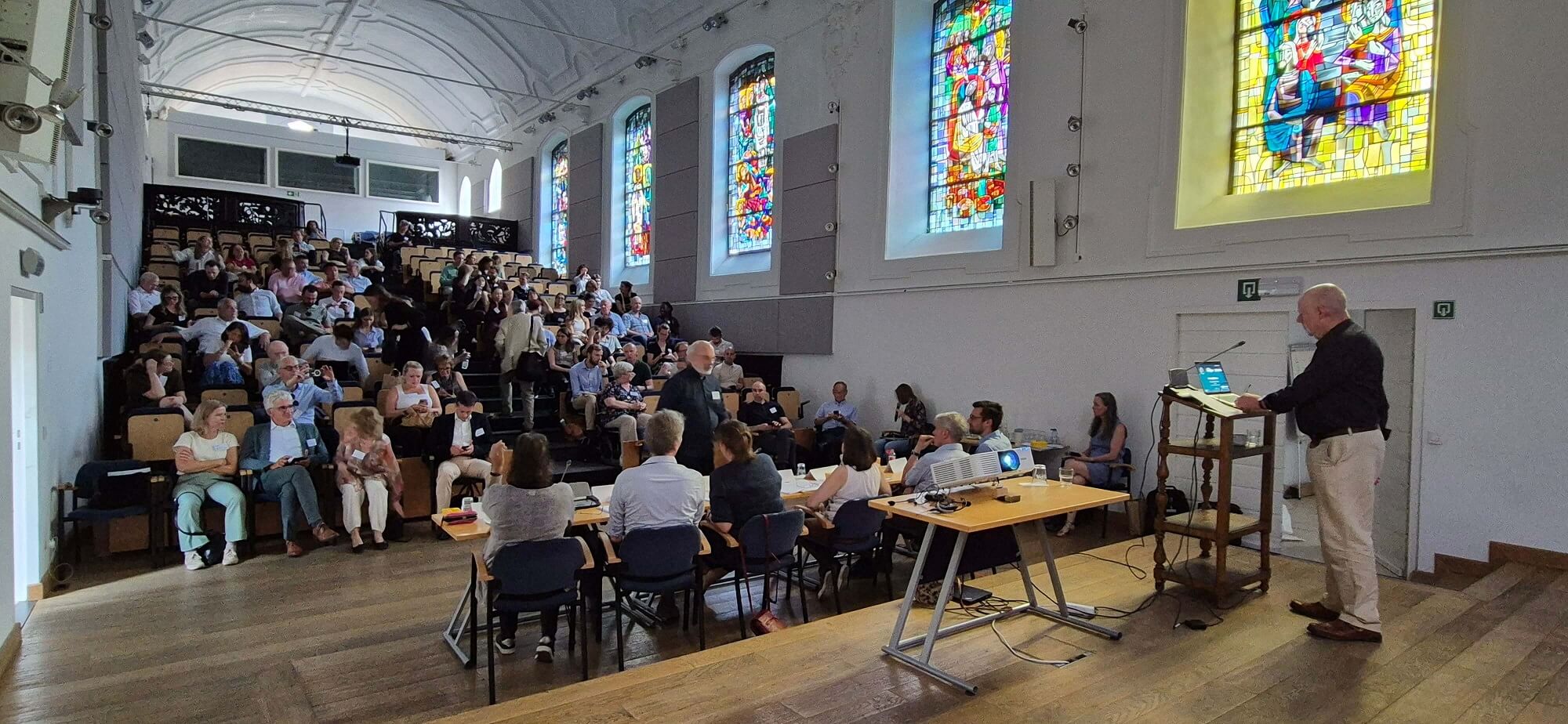
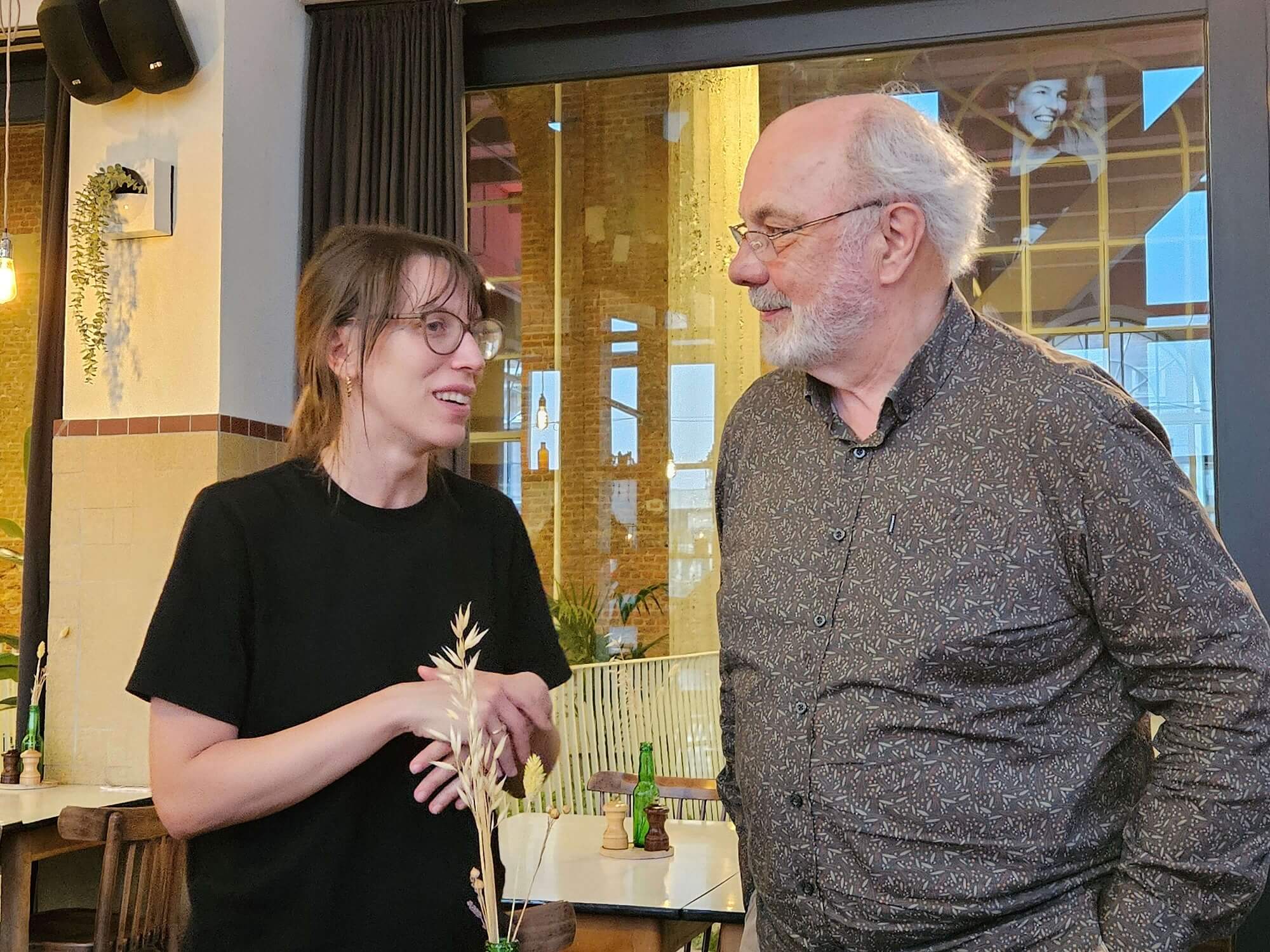
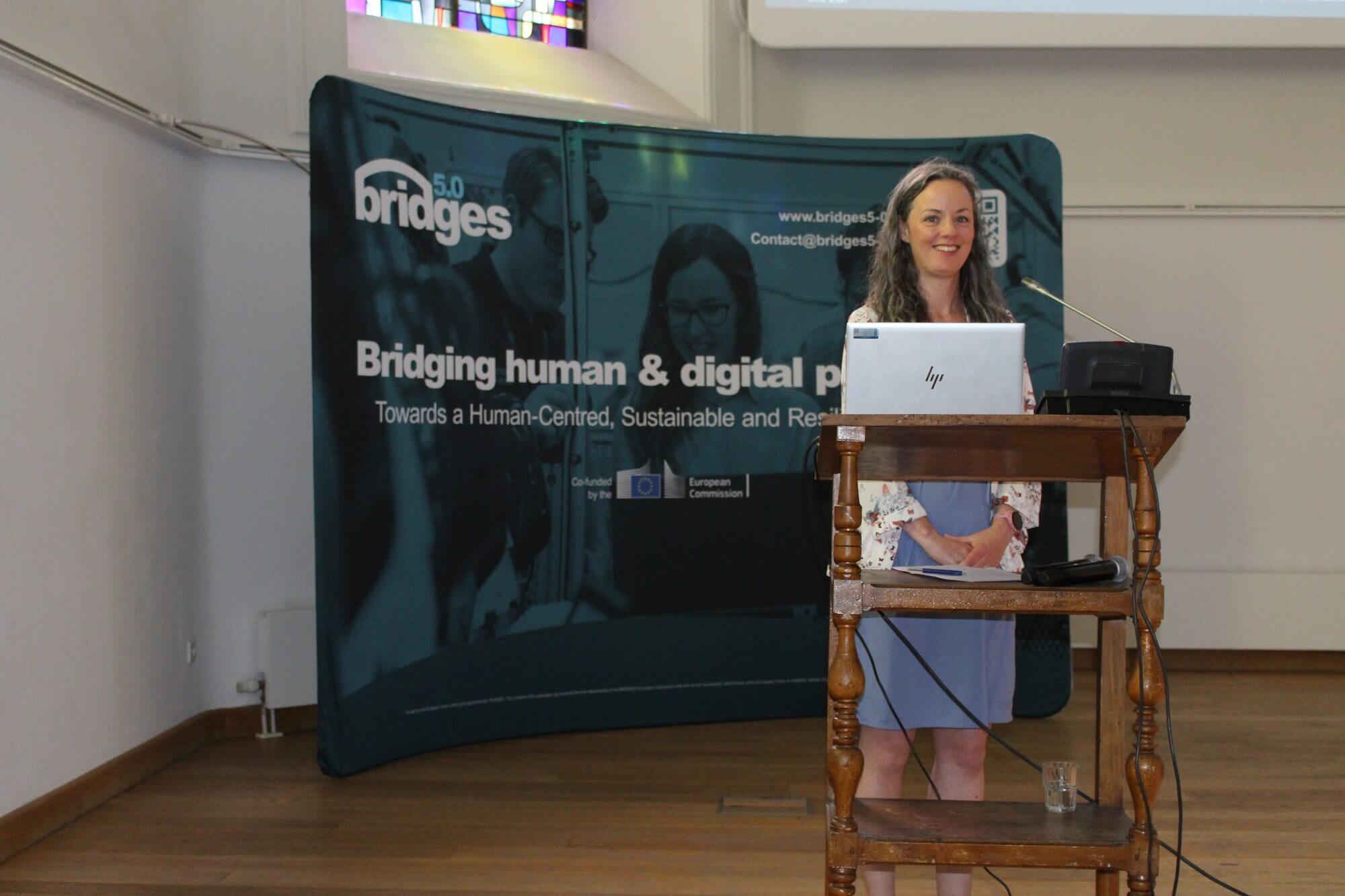
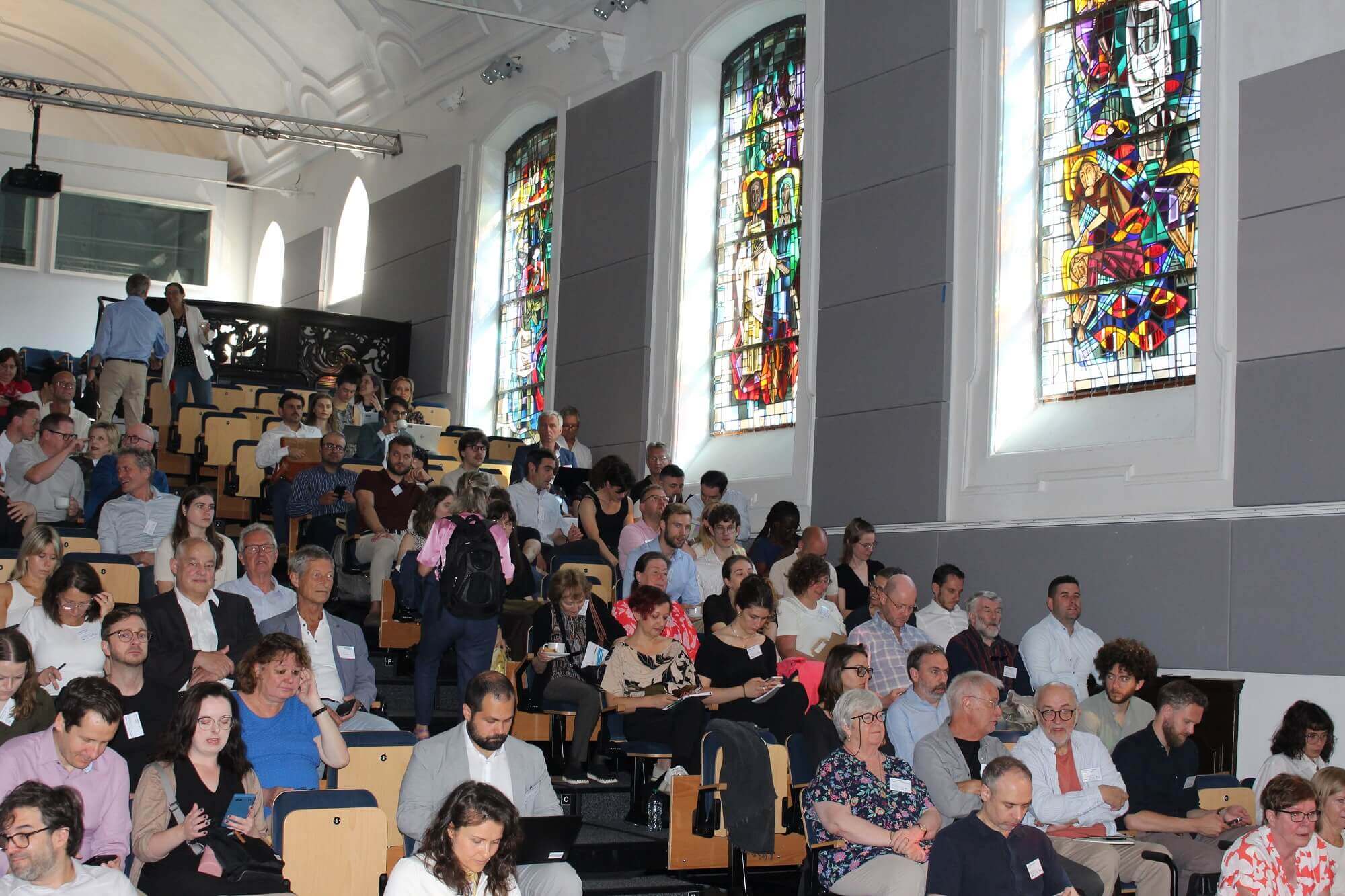
On the 16th and 17th June, nearly 200 delegates from research, policymaking, companies and trade unions enjoyed two days of inspiration, dialogue and community building, hosted in the historic Irish College in the heart of Leuven.
The Conference was jointly sponsored by Bridges 5.0, BroadVoice and EUWIN. It brought together experts and practitioners from diverse disciplines and backgrounds, all with a common interest in the future of work and the twin transitions to digitalisation and net zero.
A key highlight from the conference was the focus on action, with many contributors stressing that Industry 5.0 should not remain an academic concept but must be operationalised in companies. Whilst the concept is currently couched in somewhat abstract terms, its definition will be shaped by how companies implement it in practice. Several Conference participants emphasised the need for case examples, including sector-specific approaches.
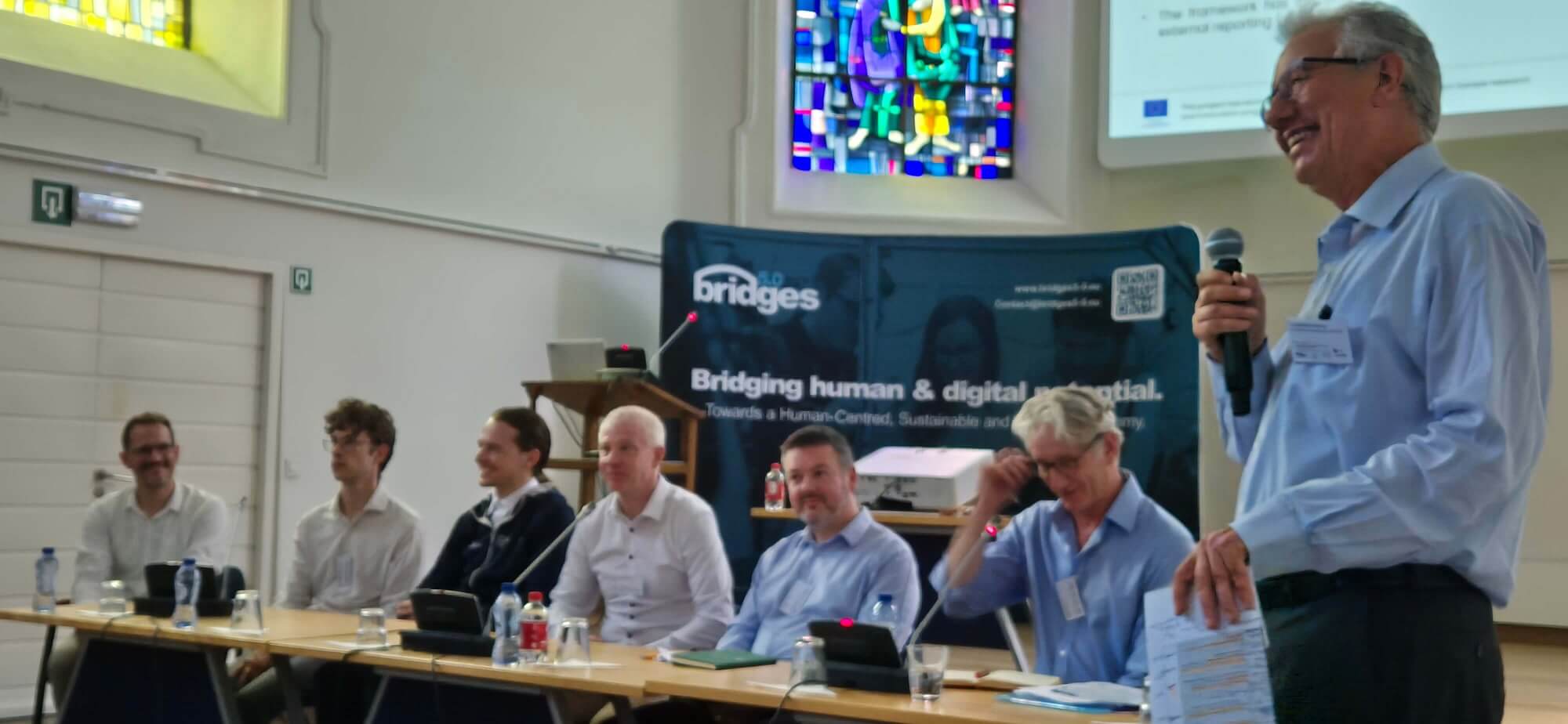
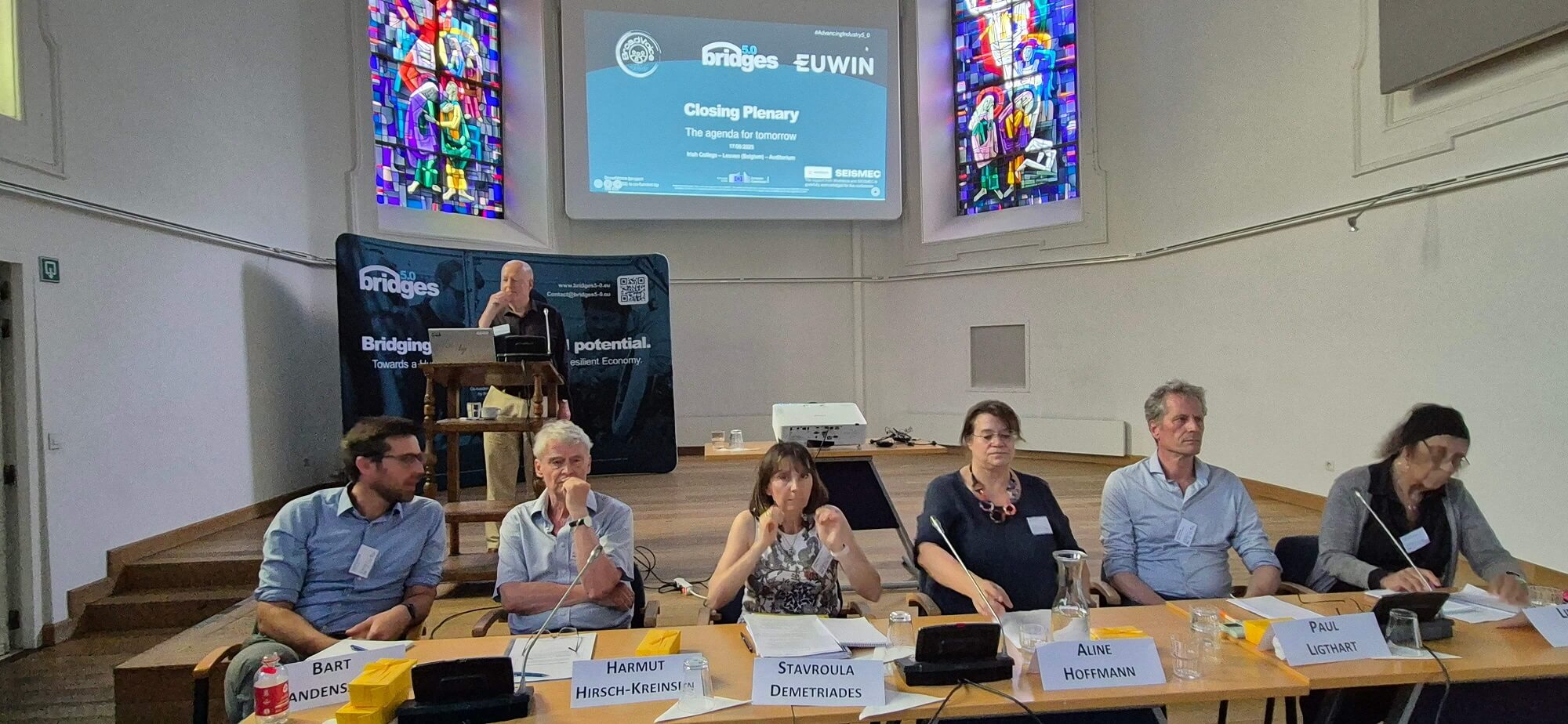
On the 17th, the company panel session began to address this need with transformation stories from ASML (Netherlands), Infineon (Austria), Kirchhoff Automotive (Ireland) and Lamborghini (Italy), as well as a discussion of the change methodology developed by Ireland’s IDEAS Institute. The ensuing dialogue with researchers and other company participants in the session demonstrated the clear value added by practitioners in the conference, a demonstration which was also replicated in the Conference’s closing panel.
It will be important to demonstrate the business value of Industry 5.0 to companies, demonstrating how its principles can enhance productivity and innovation capabilities as well as attracting talent and increasing resilience. The importance of engaging a wider body of stakeholders in ensuring that the principles of human centricity, sustainability and resilience are effectively implemented in real-world situations was emphasised on multiple occasions.
It should be noted that human centricity is not a new concept; rather it has its roots in the concept of workplace innovation dating back to the early years of this century, and which in turn draws on several previous decades of research.

Speakers within the Conference’s BroadVoice strand emphasised the collaborative role of industrial relations in stimulating workplace innovation, albeit a role which is still too rarely manifested within much of Europe. Social dialogue and collective bargaining can play a key role in enabling workers’ involvement in the implementation of new technologies, ensuring that it is meaningful rather than merely symbolic. Workers’ tacit knowledge and creativity leads to better outcomes and smoother transitions, as people are more likely to embrace and use new technologies effectively when they have shaped their implementation from the outset.
Some participants were critical of the role of funding bodies in perpetrating the divide between research and practice. Action research can provide a valuable bridge, but is still not widely recognised either by funders or universities. Alliances between researchers, policymakers, trade unions, and employers’ associations are required both to shape the future of research and to protect institutions from fluctuating funding priorities.
Policymakers clearly have a critical role to play in stimulating the wider adoption of Industry 5.0 principles. European Commission speakers offered encouraging words during the opening session of the second day of the Conference, but many policy gaps remain. For example, EU initiatives around the European Pillar of Social Rights and the Quality Jobs Roadmap aim to support fair wages, good working conditions, training and just transitions for workers. At the same time there are significant omissions in how these policies currently understand and address quality of working life, especially its psychosocial dimensions. Moreover, the importance of considering gender, age and ethnicity in the transition to Industry 5.0 highlights the need for inclusive policies to ensure smooth transitions for all workers, rather than disproportionately disadvantaging certain groups.

Industry 5.0 perspectives must be integrated within wider policy frameworks, including aligning industrial policy and the Competitiveness Fund with its principles. Policymakers need to address the changing nature of training and skills development, ensuring that training materials and equipment are kept up to date that workers are adequately prepared for the transition to Industry 5.0.
At the same time, policymakers often overemphasise support for the skills supply side whilst skills underutilisation remains an issue in the many European companies locked into traditional forms of work organisation. Focusing on support for external training providers such as colleges often sits at the expense of developing companies as places where worker empowerment and on-the-job learning lead to polyvalent, agile and resilient workforces.
Skills acquired in formal training at the start of a career will quickly become obsolete as the pace of technological and organisational innovation quickens. Arguably external VET providers need to focus on transferable skills and ensuring that their students ‘learn how to learn’, whilst workplaces ensure continuous learning and development in day-to-day work, including through problem solving and experimentation.

And it’s not over yet . . .
As with all good conferences, delegates doubtless faced a couple of hundred unanswered emails when they returned to their offices. But there’s no need for this conference to be a one-off event. Whether you were in Leuven or not, you can continue the dialogue as well as accessing a growing range of other resources on Fresh Thinking Labs. We hope to see you there!
Thanks!
Our thanks go to Allison Dunne and her team at KU Leuven for all their very hard work in organising an event that will long be remembered. And thanks too to all the speakers and participants who made it through the heat to Leuven – it wouldn’t have been the same without you!
Finally, my personal thanks to Stavroula Demetriades, Karolien Lenaerts and Frank Pot for their post-Conference reflections during the Bridges 5.0 / EUWIN Webinar on 27th June 2025, many of which are reflected in this article.
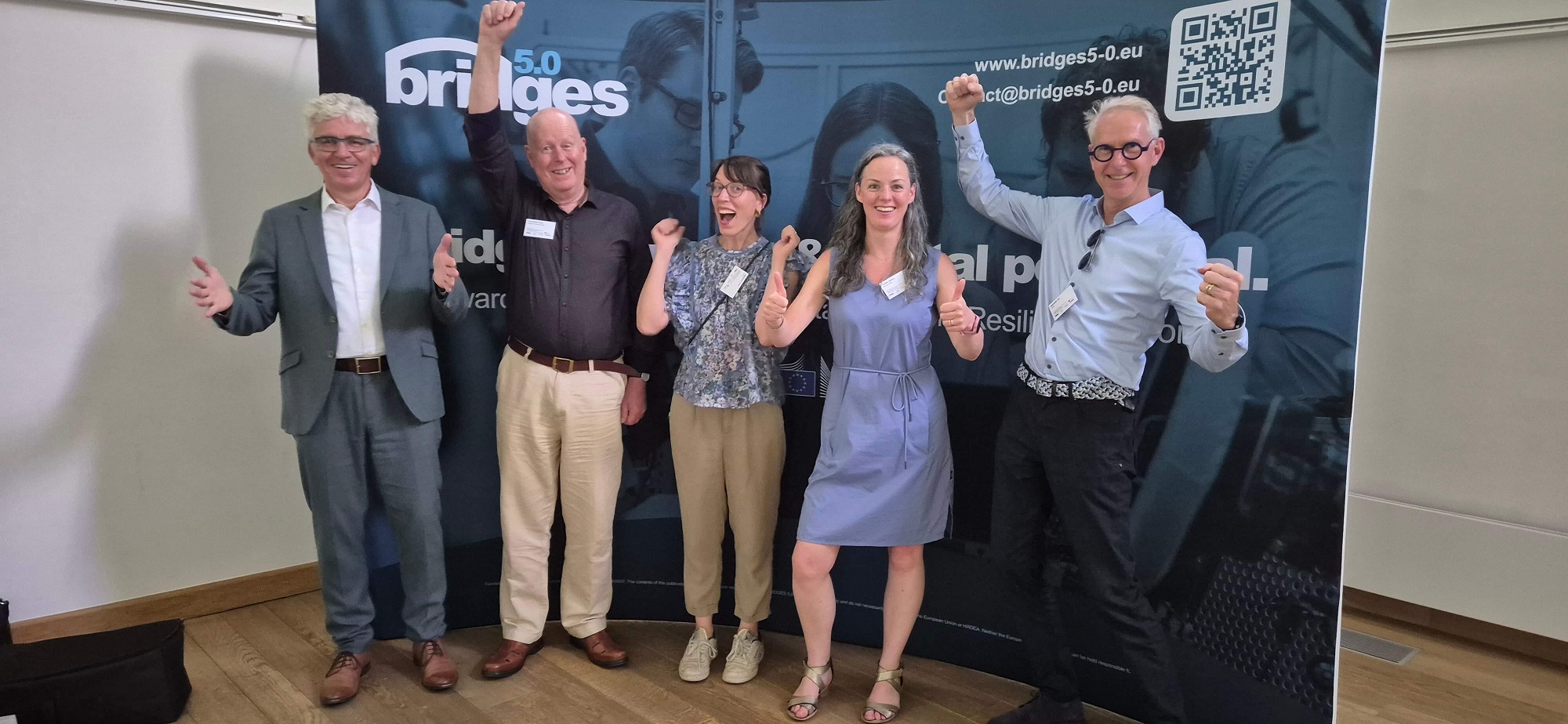
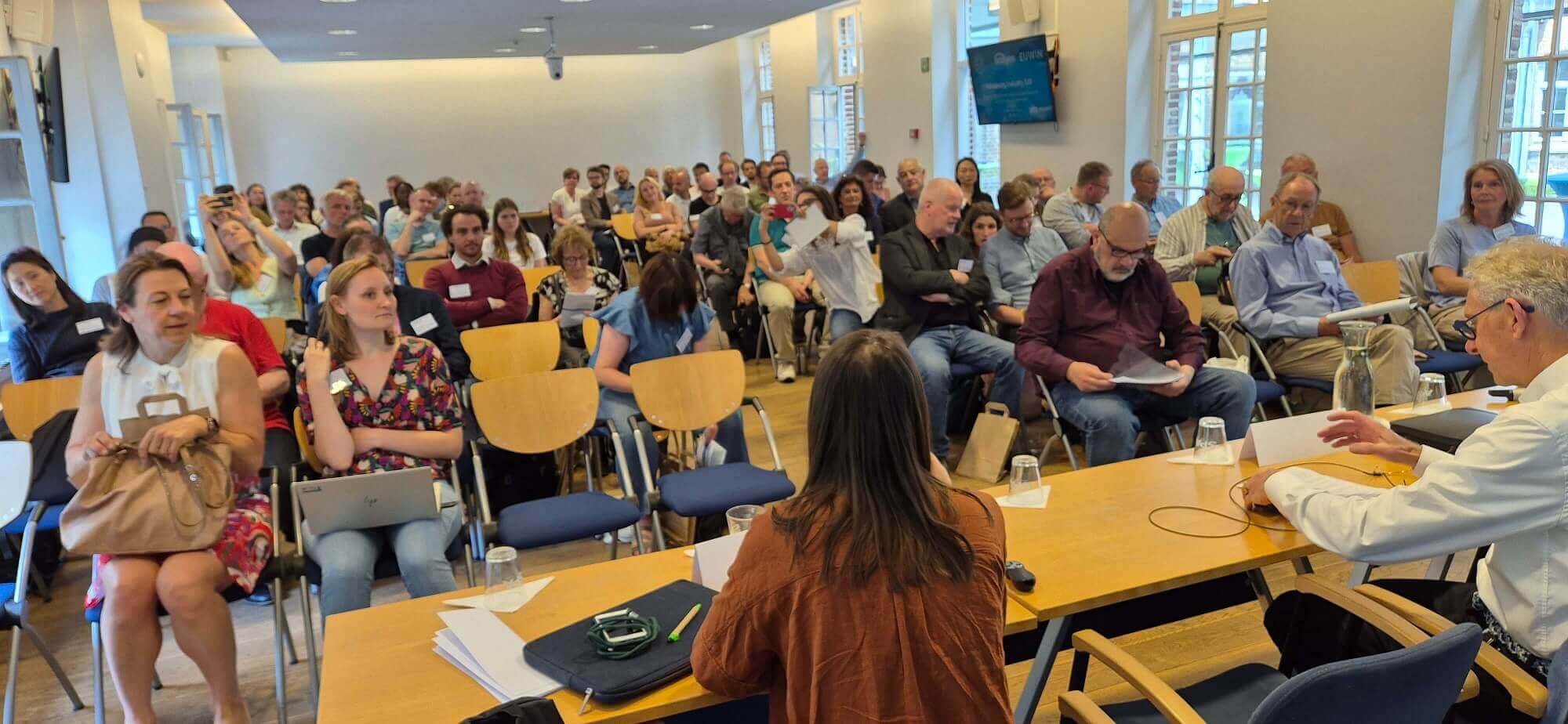
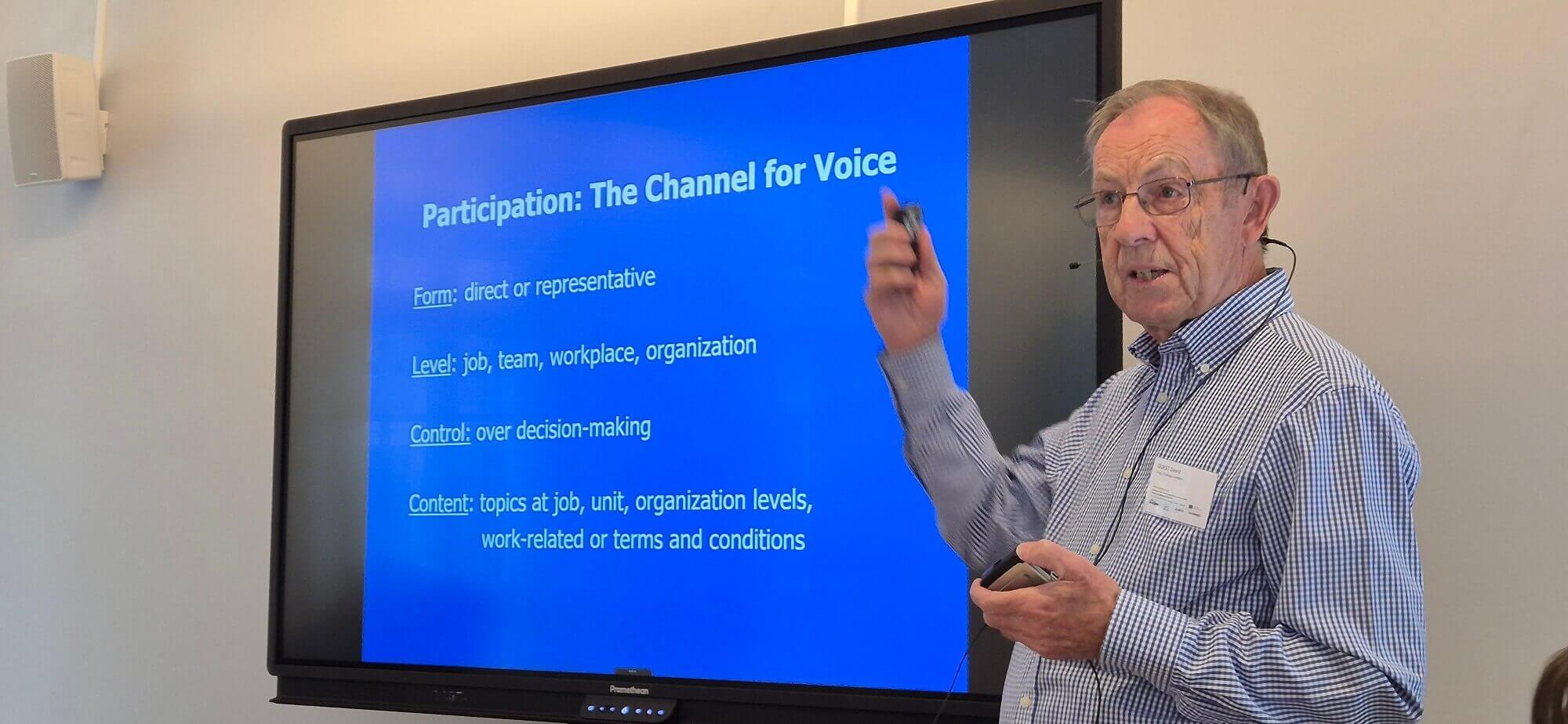
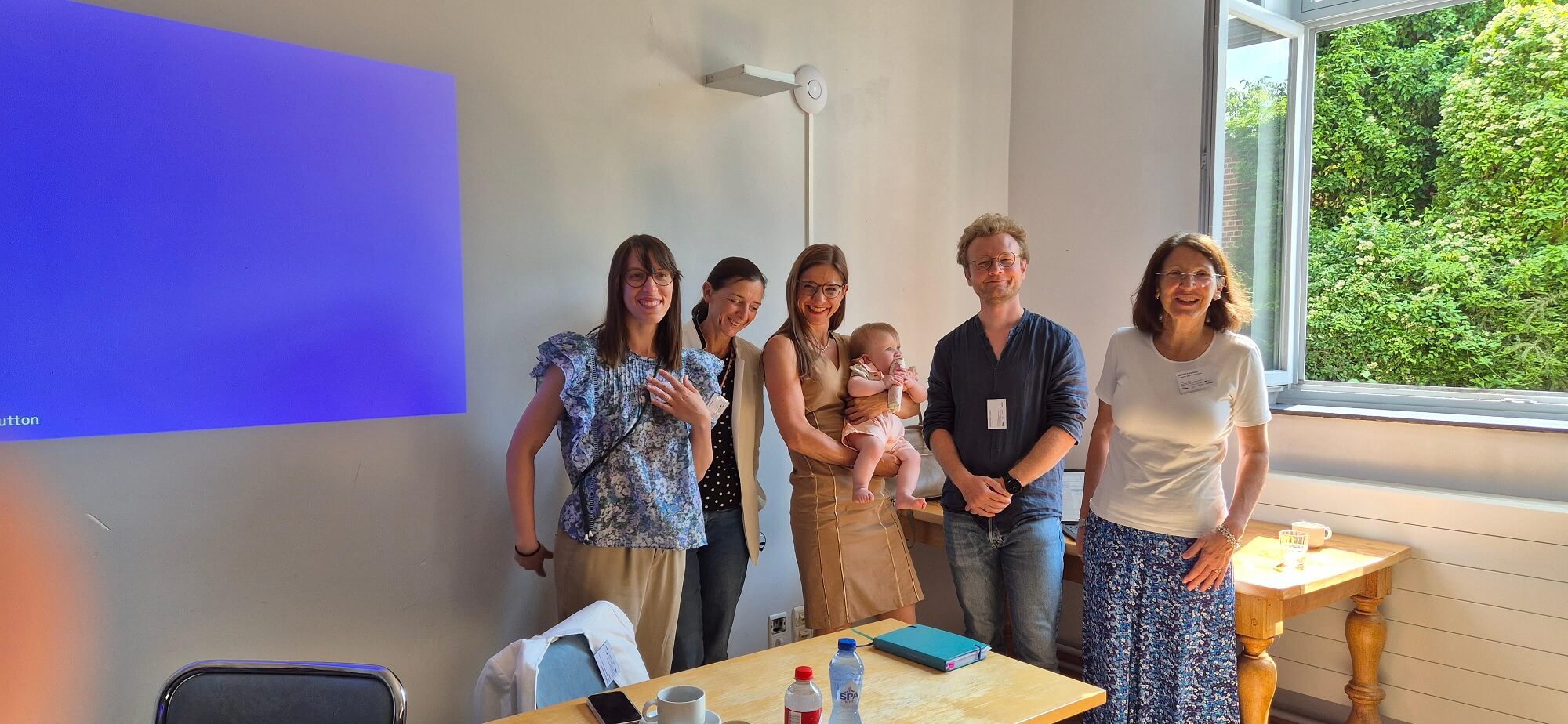
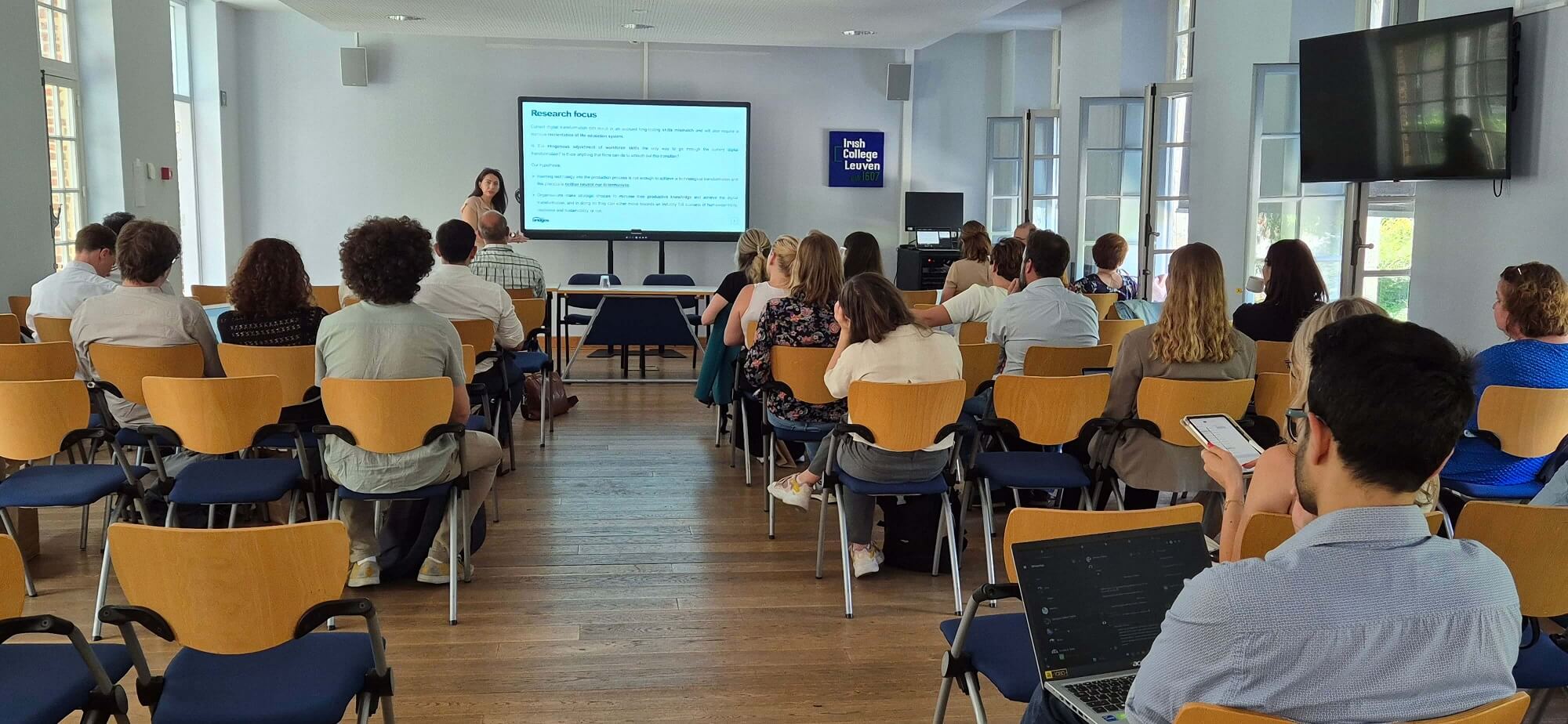
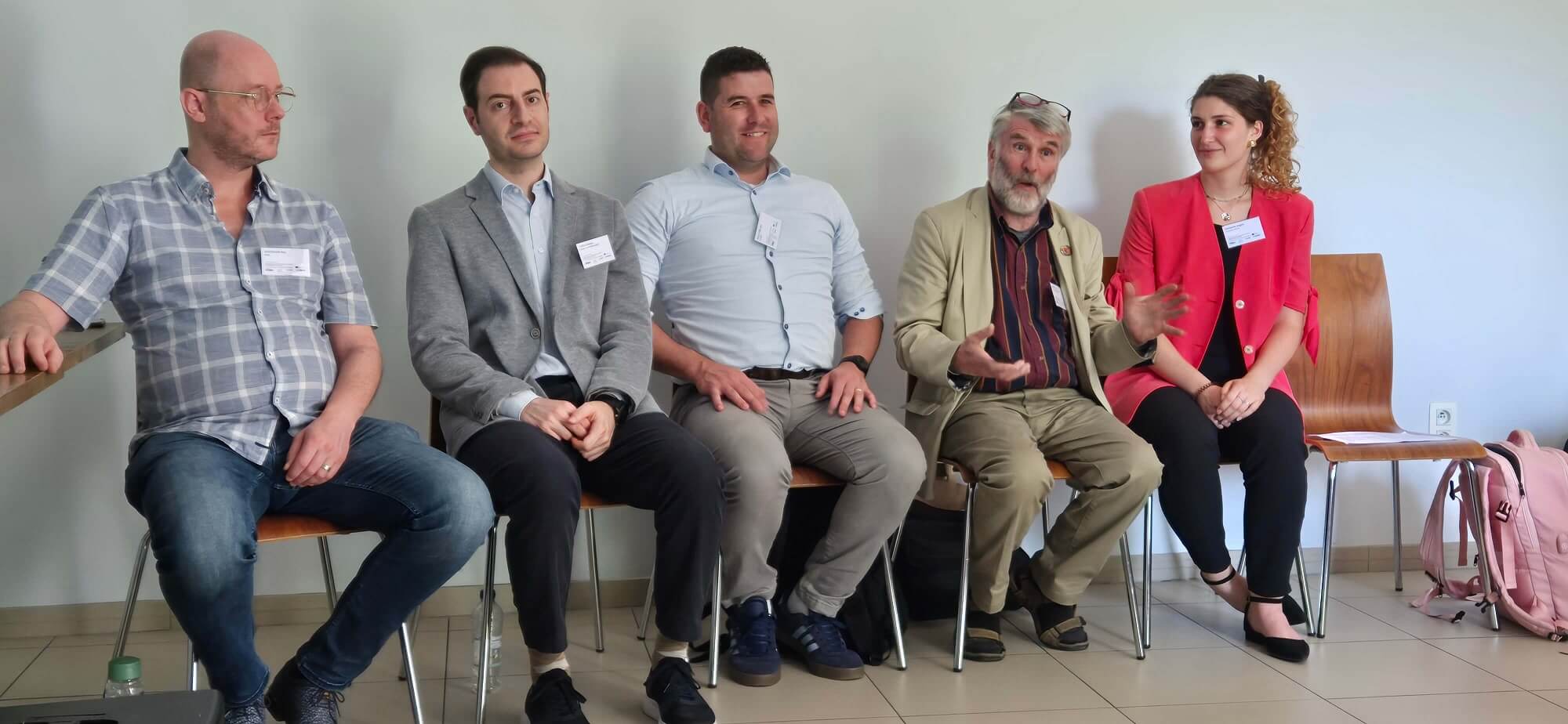
More photos from the Conference in Leuven
Related articles

October 11, 2026

September 28, 2026

September 20, 2026

September 19, 2026
September 19, 2026