Bridges 5.0
Towards a Human-Centred,
Sustainable and Resilient Economy.
Workforce Skills for Industry 5.0.
European industry has embarked on a path of digital transformation.
Whilst the concept of Industry 4.0 has been driven primarily by productivity and technological considerations, the last ten years have clearly demonstrated the need for wider perspectives to make digital transformation work.
Industry 5.0 adds employees, the environment and resilience to the equation, an alternative future in which businesses recognise their role in building a prosperous and sustainable society based on new modes of production.
We need to build human-centred workplaces, where technologies support better jobs and enable people to learn and develop continuously.
We need a greener and more circular economy, making better use of natural resources.
We need to invest in the development of new skills, helping industry and its employees to become more resilient in an increasingly fast-changing and volatile world.
By addressing these challenges, Bridges is building an accelerated pathway to Industry 5.0.

Bridging human &
digital potential.
Bridges 5.0 creates a unique consortium based on active collaboration between researchers, 8 EU industrial companies, 9 Industry 4.0 ecosystems, and the main EU social partners.
Who benefits?
Target groups: enabling managers, job seekers, students and employees to absorb new technological knowledge faster and more effectively.
At the company level: showing how to adapt business strategies to the new demands of the market, especially greening and sustainability, and to build the skills needed to make it happen.
On the labour market: assimilating new ways of learning and training, building on the new networks that support this learning.
Kirchhoff’s journey over more than a decade exemplifies Industry 5.0 in practice through the use of digital technologies to create a more human centric, environmentally sustainable and resilient organisation. Full case study here.
Latest News.

The BRIDGES 5.0/EUWIN webinar on 25th September 2026 explored how organisations can turn the broad ambitions of Industry 5.0 into practical decisions.
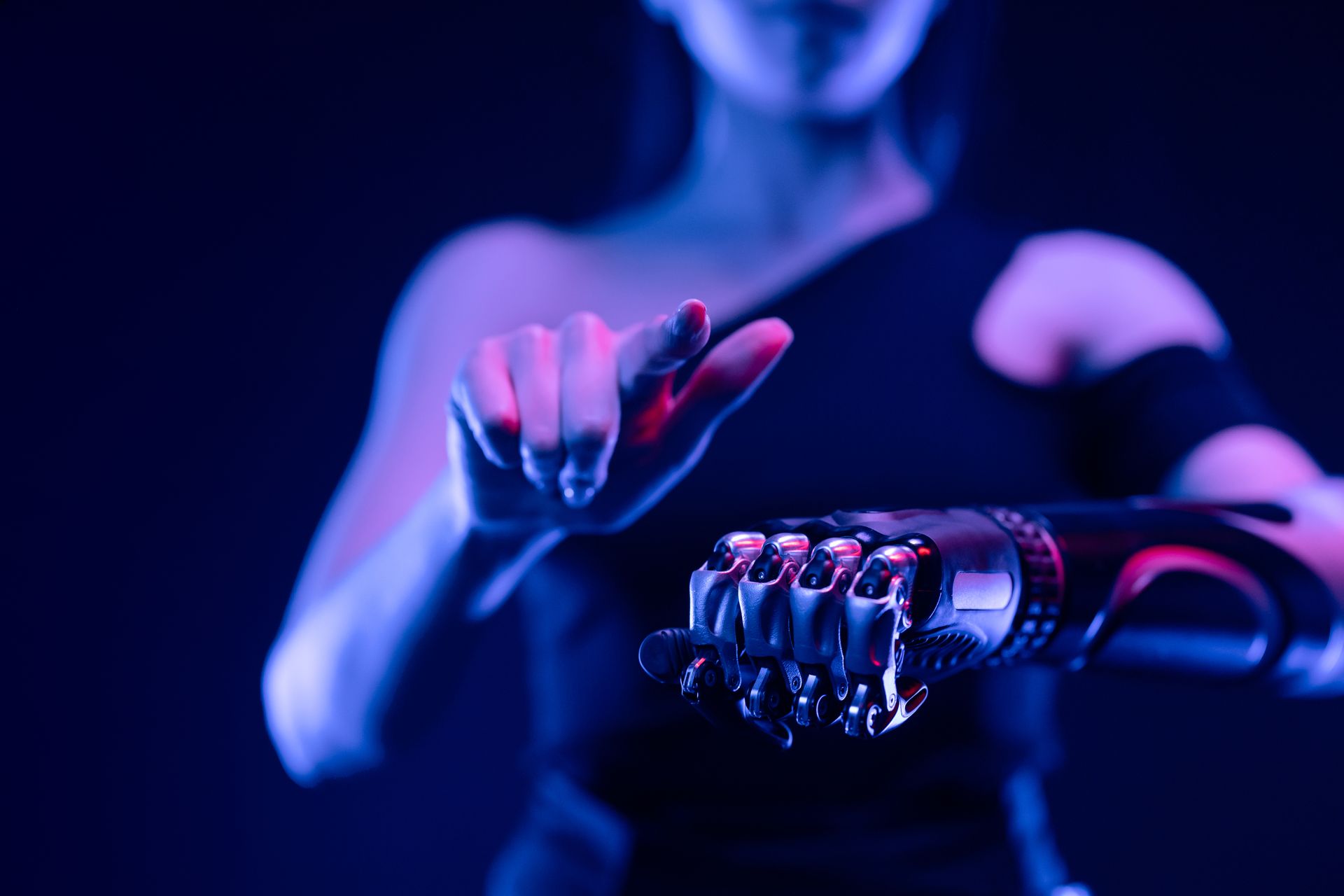
Lessons from Booth Welsh on combining smarter technology with stronger people, cultures and leadership.

The final BRIDGES 5.0 Masterclass brought researchers, business practitioners and workplace innovators together to ask a deceptively simple question: how can Europe turn the promise of human-centric, sustainable and resilient industry into everyday practice?

As part of its legacy for the future, Bridges 5.0 is drawing on nearly four years of research, industry engagement and stakeholder dialogue to map out a plan for upscaling Industry 5.0 across Europe.