
Brigita Jurisic
INL International Iberian Nanotechnology Laboratory & FORGING project coordinator
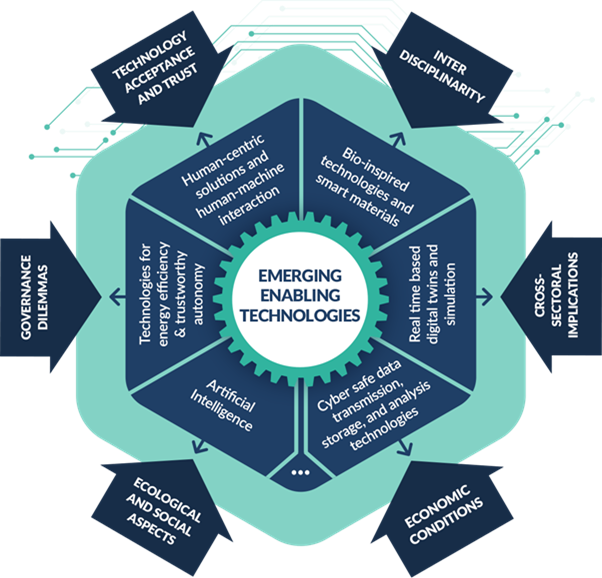
FORGING, a Horizon Europe-funded project, is making a proposal to accelerate emerging enabling technologies adoption in Europe. At the heart of its mission lies a transformative vision: to co-create with a multi-level, multi-sector and multi-stakeholder forum the enabling technologies of the future that are not only cutting-edge but are also value-sensitive, respecting planetary boundaries and maximising benefits for all parts of the society, in line with the emerging Industry 5.0 paradigm. In order to do this liberal arts, legal, anthropology, sociology and other fields of science should be involved in technology development.
A Forum for the Future
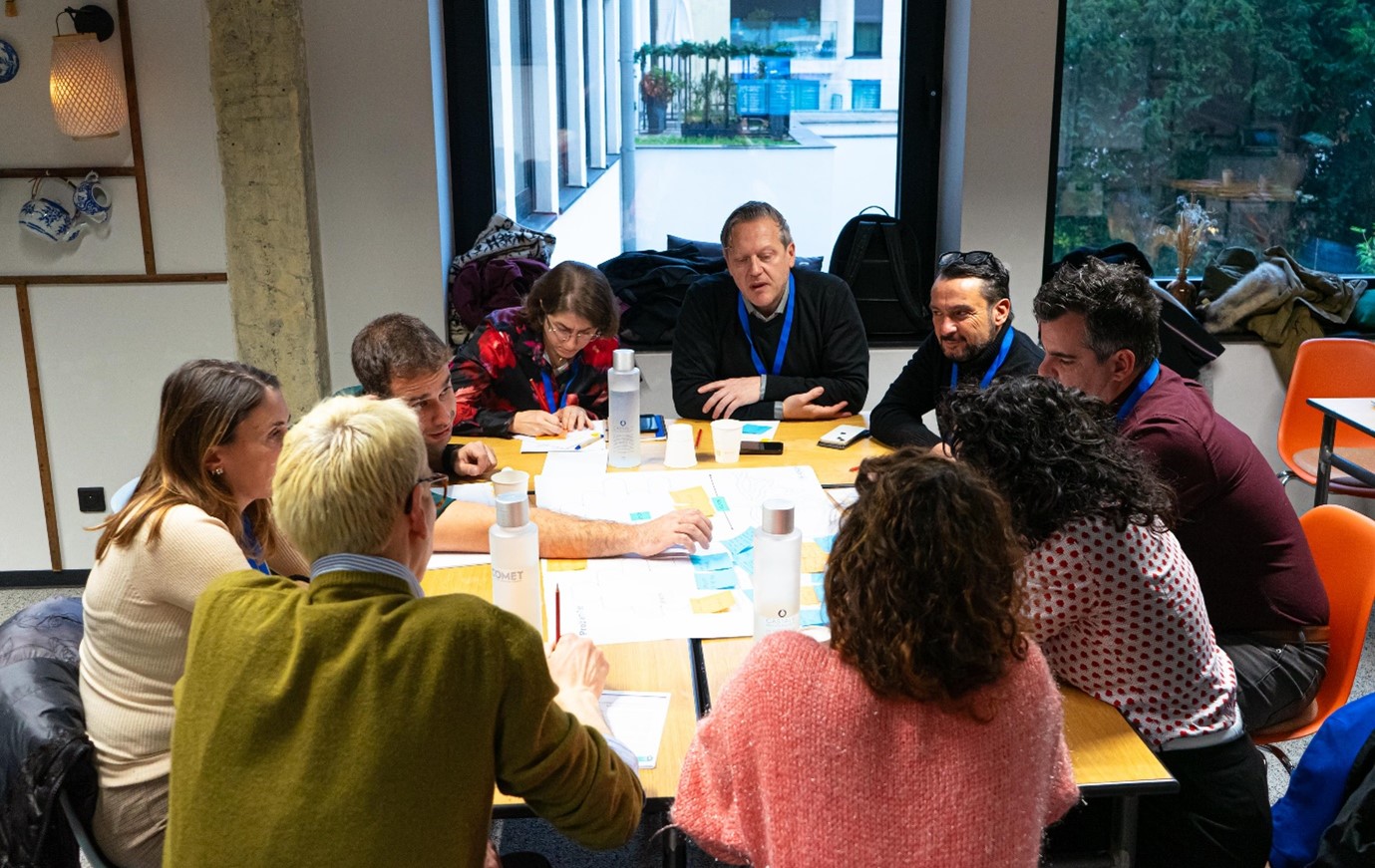
FORGING FORUM is a diverse community of over 320 stakeholders—from academia (going way beyond STEM to anthropology, law and architecture…) and industry to creative sectors and policymakers. Through over 30 co-creation sessions, this vibrant ecosystem has explored how to align digital technologies from their early stages of development until market adoption with societal values and environmental priorities in mind.
The project’s multi-level approach integrates:
- Participatory foresight to anticipate future societal needs and their interplay with Industry 5.0 technologies,
- Technology prioritization to identify emerging technologies and their application areas that are most value-sensitive,
- Co-creation environments with a wide-variety of stakeholders to serve as catalyst for acceleration of value-sensitive technology adoption.
This methodology is grounded in value-sensitivity – we have curated a Toolbox with a set of tools to be used by technology developers ensuring technologies are developed with ethical, social, and environmental considerations from the outset.
Co-Creation as a Catalyst
Drawing on insights from past EU projects and academic research, FORGING emphasizes the importance of knowledge integration in collaborative research and innovation. Studies (e.g., Baldwin & von Hippel, 2011; Mathisen & Jørgensen, 2021) highlight that successful co-creation depends not just on access to knowledge, but on the ability of actors to recognize, interpret, and act on it.
FORGING’s participatory model addresses this by:
- Engaging lead users and diverse stakeholders early in the innovation process,
- Valuing and integrating different types of expertise,
- Creating spaces where divergent visions can be constructively challenged.
Toward an Industry 5.0 Research Agenda
FORGING therefore proposes an Industry 5.0 research agenda outlining a roadmap for future Research and Innovation efforts that:
- Prioritize human-centric technologies and augmented work environments,
- Advance sustainable and circular industrial systems,
- Build resilient, adaptive supply chains,
- Institutionalize value-sensitive research and innovation practices across sectors.
This agenda is not just a vision—it’s a call to action for researchers, innovators, businesses and policymakers to collaborate in shaping a future where technology serves people and the planet.
What’s Next?
FORGING will soon publish its Whitepaper sharing insights from its participatory sessions. These findings will inform EU policy, guide funding priorities, and inspire new collaborations across Europe’s innovation landscape.
Related articles
February 28, 2026
February 25, 2026
February 25, 2026