
Insights from PROSPECTS 5.0
Workshop 1: Industry 5.0 in Action – Business Experiences & Expert Insights
On 19th March 2025, the PROSPECTS 5.0 project hosted an online workshop, Industry 5.0 in Action: Business Experiences & Expert Insights, bringing together 35 participants from over 10 countries. Organised by TECNALIA, the event convened businesses, research institutions, and digital ecosystem representatives to discuss how Industry 5.0 principles are being applied in practice across Europe.
This session offered insights into the practical realities of I5.0 implementation, revealing shared challenges and emerging opportunities. Through real-world use cases, the workshop explored the challenges, barriers, and impact of the transition toward more human-centric, sustainable, and resilient industrial models.
Use Case Highlights
GTW Bearings (Czechia) – Bearing manufacturing
GTW reflected on their experience integrating collaborative technologies into conventional production systems, underlining the difficulty of balancing sustainability objectives with cost-effectiveness in a highly competitive sector.
TRYGONS (Greece) – Composite parts for marine & automotive
TRYGONS outlined challenges in automating their intricate manufacturing processes, emphasizing the need for tailor-made solutions. A shortage of skilled personnel remains a critical barrier to adopting AI-driven tools.
CAMELEO (Poland) – Custom decorative coatings
CAMELEO emphasised the role of employee engagement in digital transformation and demonstrated how virtual reality technologies enhanced customer interaction. They also raised concerns over growing sustainability demands and global market competition.
S-Gard (Germany) – Safety gear manufacturing
S-GARD highlighted difficulties related to recycling complex, multi-material garments. Budgetary constraints were identified as another key challenge, limiting the scope of their digital transformation.
ZEUKO (Spain) – Cranes, lifting systems and heavy equipment
ZEUKO showcased their deployment of predictive maintenance tools to increase operational resilience. They echoed other participants’ concerns about the growing skills gap, particularly in relation to advanced digital systems.
Despite their diverse profiles, the participating companies reported a common set of barriers to adopting Industry 5.0. These included internal resistance to change, high upfront investment costs, and challenges in integrating new technologies with legacy systems. A recurring concern was the shortage of skilled personnel—particularly in AI and digitalisation—pointing to the need for targeted training and inclusive workforce strategies.
The Role of Ecosystems and External Stakeholders
Speakers emphasised that Industry 5.0 is not only shaped internally, but also deeply influenced by external enablers and societal trends. The external stakeholders from EIT Manufacturing and DIHNAMO – European Centre for Digital Innovation (coordinated by the NextMove cluster, France) also shared their vision. They provided valuable insights on supporting industrial transformation and innovation through ecosystem engagement and capacity building, further underlining the importance of collaborative support structures in advancing the Industry 5.0 agenda.
The workshop highlighted several areas where support systems and ecosystem actors can accelerate progress:
Policy and Regulatory Frameworks
Public funding and policy initiatives were identified as both an opportunity and a constraint. While some national or regional programmes support I5.0 investments, regulatory compliance can add complexity, especially for SMEs.
Collaboration with Research and Technology Providers
Collaborations with institutions were highlighted as essential. These partnerships support companies in navigating complex technologies, accelerating learning, and accessing testing infrastructures.
Customer-Centric Demands
Rising demand for sustainable, high-quality, and customisable products is pushing companies to adapt their offerings. This market pressure, while challenging, has become a strong catalyst for innovation and transformation.
Societal Impact and Employee Well-being
I5.0 principles call for more than technological upgrades. They emphasize the human experience. The companies noted how job satisfaction, employee involvement, and inclusive processes must be part of any transformation strategy.
The second part of the workshop featured an open and interactive discussion, during which participants exchanged views on practical challenges and possible solutions related to the implementation of Industry 5.0. This moderated dialogue fostered cross-sector learning and highlighted the importance of peer-to-peer exchange in building a more open and collaborative transition toward Industry 5.0 across Europe.
Conclusions
The workshop offered a realistic but optimistic view of Europe’s Industry 5.0 transition. While barriers remain, the participating SMEs demonstrated that meaningful change is not only possible, but already underway.

Workshop 2: Progress, Integration, and Human-Centric Approaches
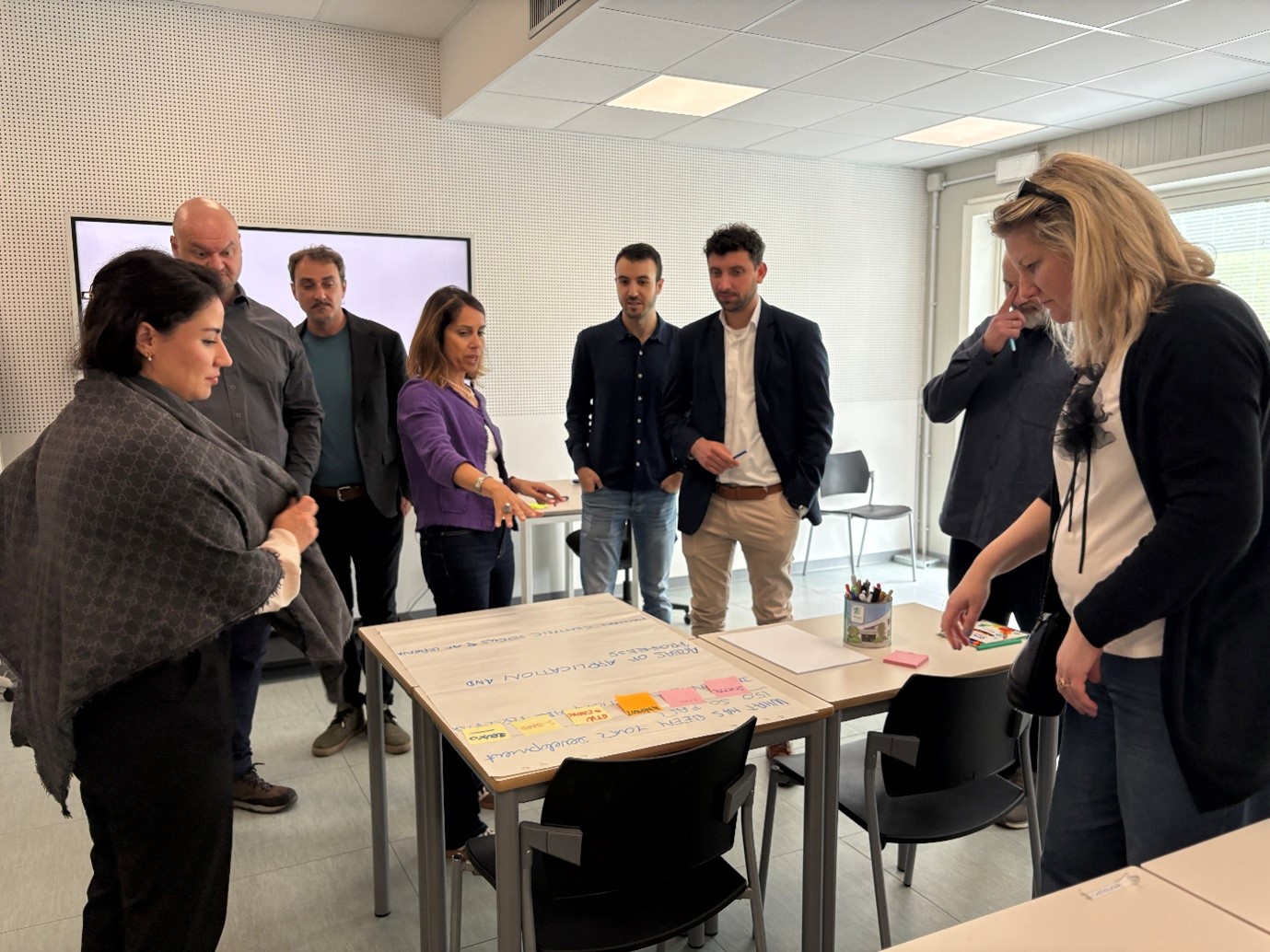
The second workshop in May 2025 took place in Mirandola, Italy. It shifted shifted from identifying barriers to discussing progress and long-term integration. It opened with two in-depth company presentations from two PROSPECTS 5.0 use cases:
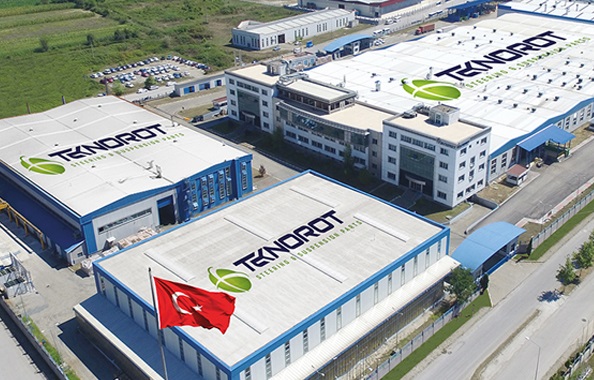
- Teknorot (Turkey) – Automotive Components Manufacturing
- Knowit (Norway) – Digital Services and Consultancy
Following the presentations, participants joined two group discussions to reflect on their own experiences and future plans. Despite sectoral and organisational differences, several shared themes emerged. Many companies reported that the Industry 5.0 Assessment Framework, being developed in the PROSPECTS 5.0 project, had served as more than an evaluation tool. It had triggered internal dialogue and strategic reflection. The process of selecting and aligning relevant KPIs (particularly in the area of human-centricity) helped teams to prioritise what matters and uncover organisational gaps. While some companies pursued full-scale implementation across departments, others focused initially on high-priority areas such as HR, robotics, or business development. Participants acknowledged that early implementation efforts can be resource-intensive, especially in collecting new or qualitative indicators. Yet, the value of this effort was widely affirmed.
Enablers Beyond the Factory Floor
Crucially, discussions across both workshops made clear that internal efforts alone are not sufficient. The influence of external enablers – policy frameworks, research partnerships, funding programmes, and customer expectations – was consistently recognised as a vital part of the Industry 5.0 ecosystem. Stakeholders cited the importance of national or EU-level initiatives in supporting digital investments and lowering entry barriers. Moreover, the pressure from increasingly sustainability-conscious customers is becoming a decisive driver of innovation. These stakeholder dynamics are not just supportive conditions – they are often the trigger that pushes companies toward transformation.
Industry 5.0 as a Strategic Advantage
Looking beyond the project itself, participating companies expressed a shared commitment to integrating Industry 5.0 into their long-term strategies. This included embedding I5.0 KPIs into internal performance systems, automating data collection processes, and continuing internal engagement through feedback channels and training. Several organisations are planning custom portals or task forces to ensure continuity and monitor performance beyond the project’s lifespan. While resource constraints, resistance to change, and complexity remain real challenges, there was a strong consensus that Industry 5.0 is not a temporary initiative – it is becoming a strategic lens for guiding future growth and resilience.
With further workshops and exchanges planned under PROSPECTS 5.0, the project continues to serve as a platform for building a collaborative, inclusive, and future-oriented European industrial landscape.
For more information on Prospects 5.0, please visit https://prospects5-0.eu
Related articles
February 28, 2026
February 25, 2026
February 25, 2026