
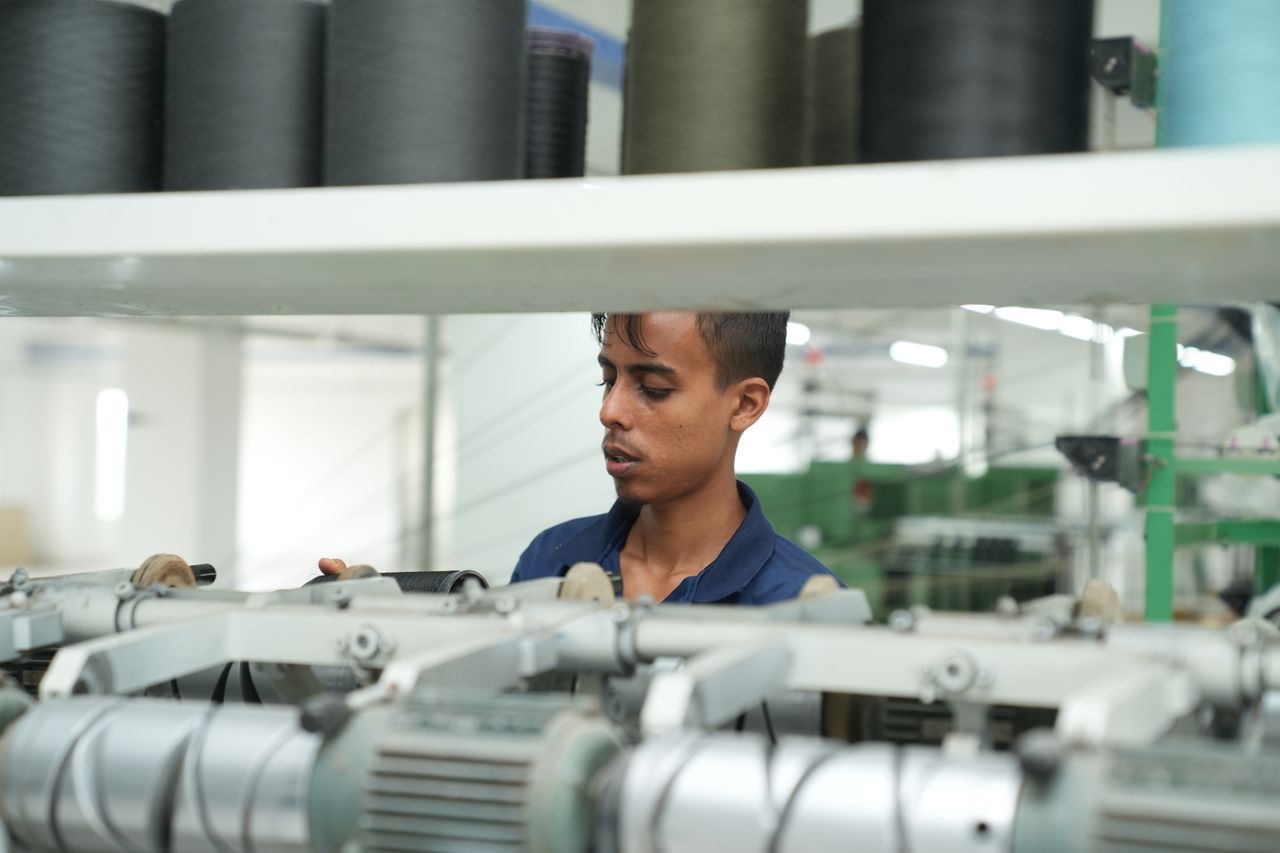
Next week sees the Bridges 5.0 project’s Final Conference. It takes place when the need for Industry 5.0 has never been greater, a point underpinned by Ursula Von Der Leyen’s recent State of the Union address.
This issue appears at a decisive moment for Europe’s industrial future. The BRIDGES 5.0 Final Conference, the upscaling plan and the final Masterclass all point to the same conclusion: Industry 5.0 will not happen by accident. It requires clear political choices, practical commitment and sustained collaboration between industry, social partners and policymakers. Europe faces turbulent conditions — technological disruption, climate pressure, geopolitical instability and changing labour markets — but these pressures also create an opportunity to shape a different industrial model: one that is competitive because it is human-centred, sustainable and resilient.
The articles in this newsletter show that the challenge is not simply to accelerate digitalisation or adopt the latest technologies. The real task is to build the organisational, workforce and ecosystem capabilities that allow technology to improve jobs, strengthen learning, reduce environmental harm and enhance industrial adaptability. That means investing in workplace innovation, shared learning infrastructures, regional coalitions and social dialogue with the same seriousness as investments in automation, artificial intelligence or advanced manufacturing.
Above all, Industry 5.0 is a matter of choice. Companies can choose whether technology is used to intensify control or to extend participation, autonomy and skill. Social partners can choose whether to engage early in shaping technological change or react after key decisions have been made. Policymakers can choose whether to leave transformation to fragmented market forces or to create the institutions, resources and accountability needed for coordinated action at scale.
The next phase must therefore move beyond aspiration. It demands visible commitments, funded mechanisms, measurable outcomes and a shared determination to make Europe’s industrial transition work for people, places and the planet.
Related articles
September 28, 2026
September 20, 2026
September 19, 2026
September 19, 2026
September 19, 2026