
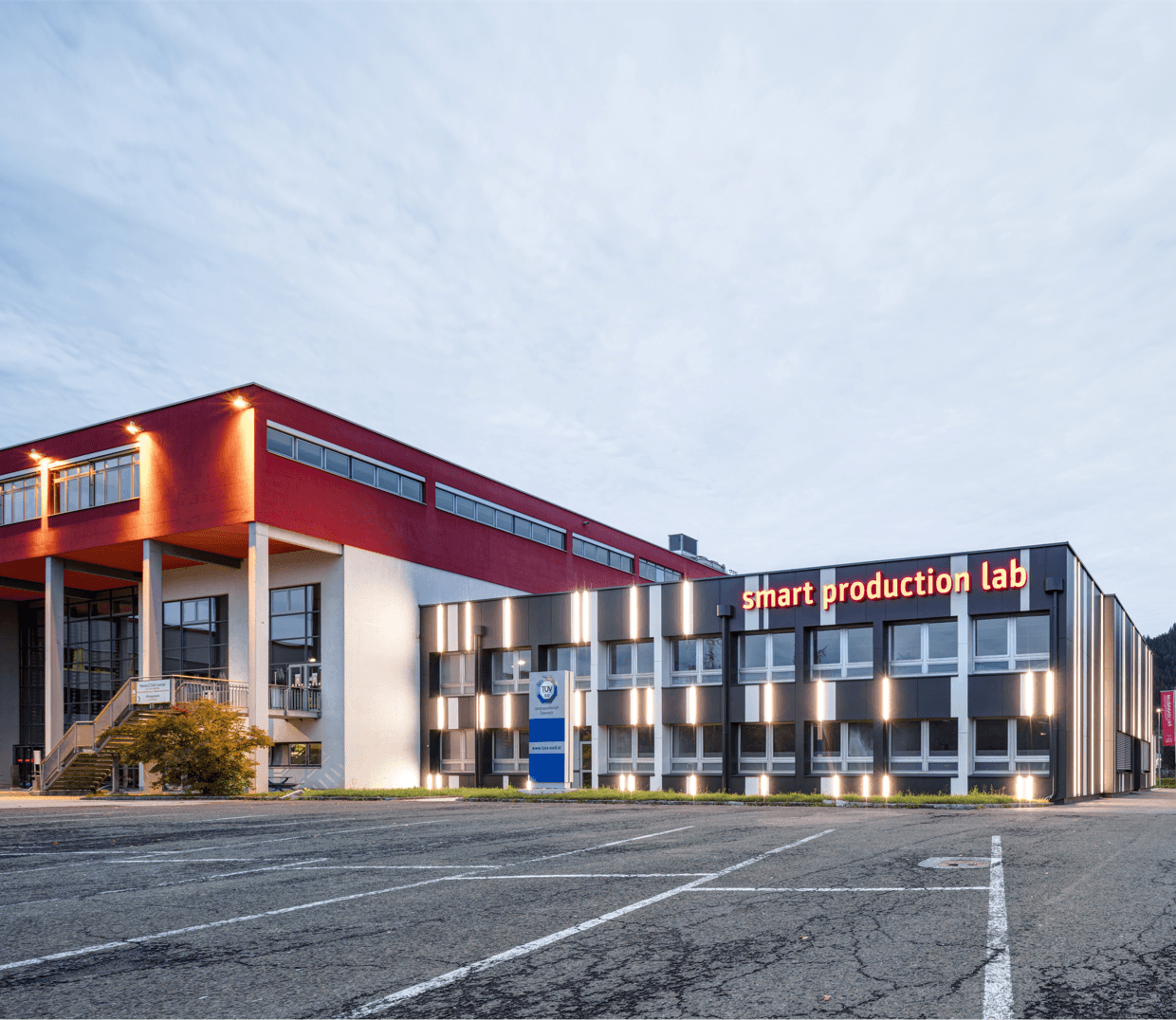
Kapfenberg lies roughly in the mid-eastern part of Austria, and it is here that the Smart Production Lab (SPL) has built one of Europe’s largest research-and-teaching factories for smart industry. The space is substantial—around 600 square metres—and its day-to-day rhythm reflects a deliberately broad mission. SPL is part of the regional innovation ecosystem, not only a place for students but also a venue for applied research projects with industry and a practical setting for workshops and training programmes. Beyond the university–industry core, the Lab opens its doors to other audiences as well, including schools, startups, and members of the public who are simply interested in modern production.
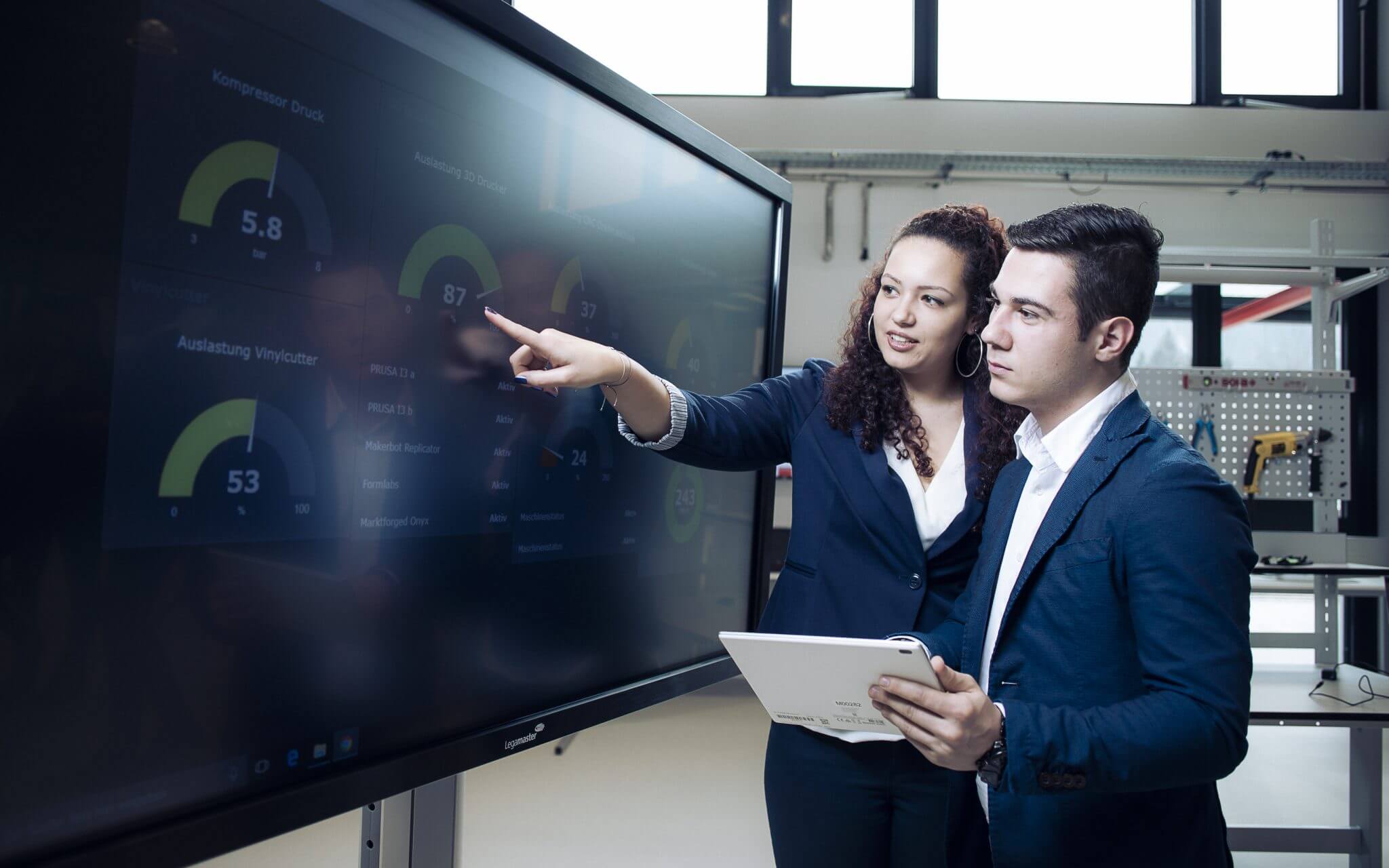
For students, SPL functions as a hands-on classroom where concepts from lectures are tested against real equipment and real constraints, and where learning is anchored in safe operation, experimentation, and reflection. For companies, the Lab becomes a neutral arena for workshops, trainings, and collaborative research: a place to trial solutions, build shared understanding across roles, and discuss change beyond the purchase of new machines. The same infrastructure is also used to reach beyond the typical university–industry circle. Schools come to spark early interest in manufacturing and engineering; startups use the space to explore ideas and prototype with guidance they may not yet have in-house; and interested members of the public are welcomed as visitors who can see and engage with smart production technologies in a structured, supervised environment.
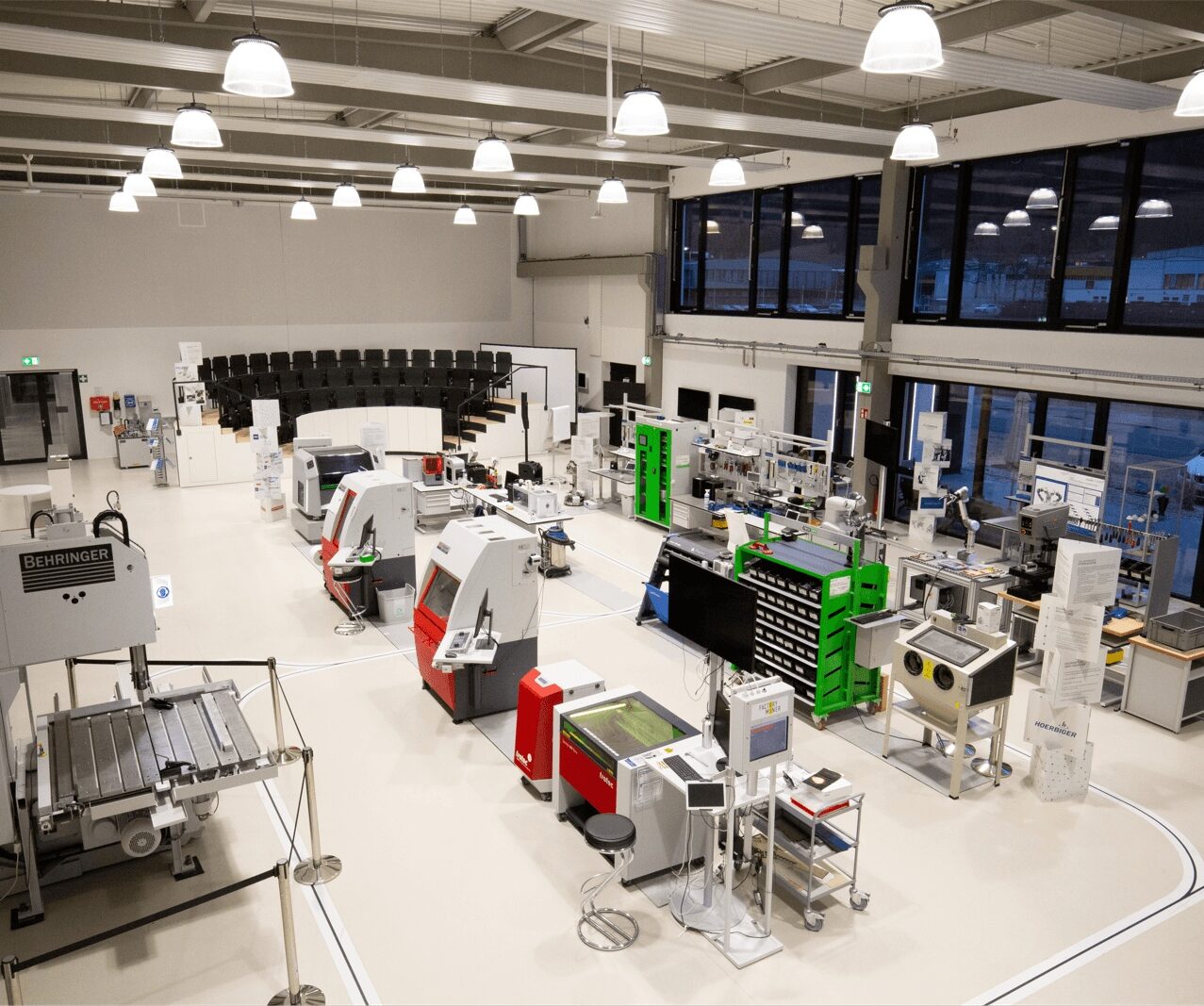
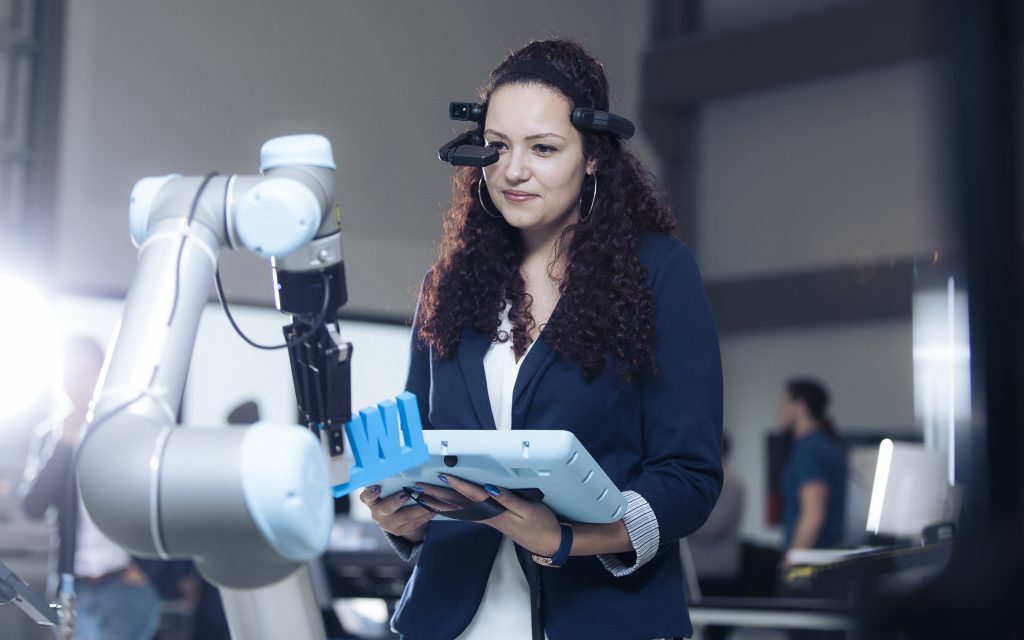
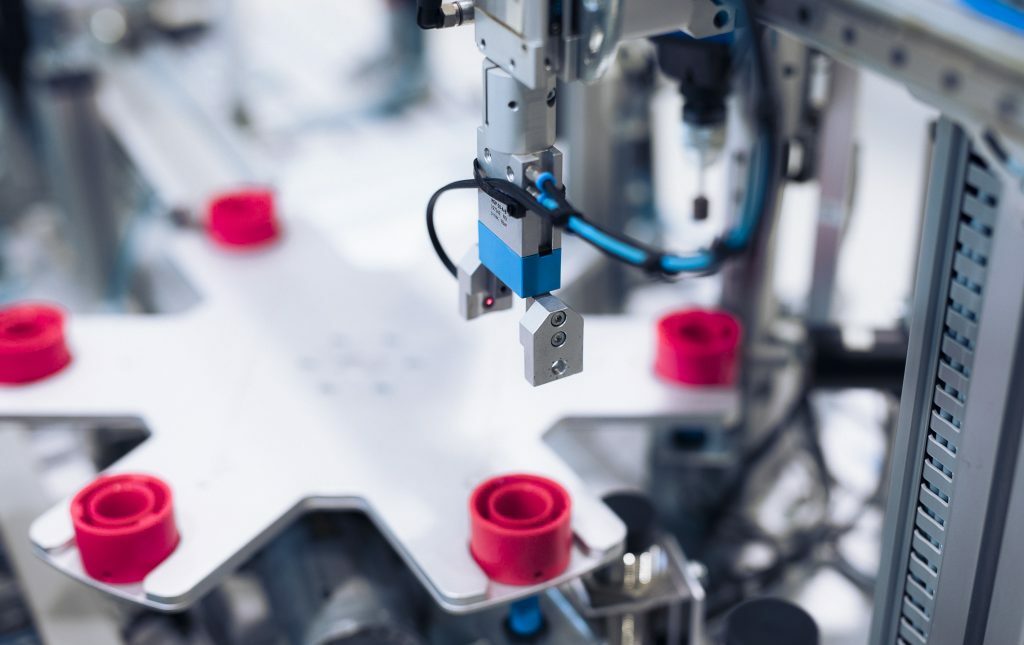
Walking through the Lab makes the proposition tangible. Modern industrial equipment is part of the learning environment: CNC machines, collaborative robots, a sandblasting machine, and waterjet cutting capability, among others. The goal is not to impress visitors with technology for its own sake, but to provide a safe, supported space where people from the region can encounter these tools up close and learn how to work with them responsibly. The Lab team provides guidance on machine operation and safety, and—crucially—uses the setting to demonstrate how technology-driven change should be approached. In practice, SPL positions itself as an enabler: a place to test technologies, but also a place to learn what makes transformation succeed, especially when it comes to technology acceptance and strategic orientation.
That broad remit is exactly what made SPL a fitting site for a Bridges 5.0 Learning Factory intervention. The Lab’s practitioners had been observing a familiar pattern in many companies: when organisations think about the future of work, they tend to concentrate on technologies and implementation. This focus is understandable. The value of a new machine, an automated step, or a digitised process is often easier to explain and defend, because the outcomes show up in familiar metrics—process duration, throughput, or cost. What is harder to articulate, and therefore easier to neglect, are the benefits of developing a sustainable mindset or ensuring that technology is used in a genuinely human-centric way. Those outcomes matter, but they do not always translate neatly into traditional KPIs.
SPL also recognised a challenge closer to home. A lab can become “fully digitalised” and still be missing the kinds of action points that Industry 5.0 demands. In highly digital environments, the team noted, human centricity and sustainability can slip into the background. The capabilities may be advanced, but the operating logic can remain technology-first. In that sense, the need was not more technology; it was a different way of framing priorities and making them operational.
The Bridges 5.0 Learning Factory intervention began by making that gap visible. Before deciding what to change, the team wanted to understand where they currently stood, so they set out to “measure at what point we are now.” This meant running a fit–gap analysis to establish a baseline: what SPL already did well, where it was inconsistent, and what was missing in a systematic sense. The value of this step was not only diagnostic; it created a shared reference point for later decisions, especially in an area—Industry 5.0—where people may arrive with different assumptions.
From that baseline, the SPL team created a clear strategic model to guide the change: a “strategy house.” In their formulation, Industry 4.0 formed the foundation—an acknowledgement that digitalisation, connectivity, and technology integration are still essential. The rooftop represented the Lab’s long-term vision. Holding up that roof were three pillars: human centricity, sustainability, and resilience. The simplicity of the metaphor mattered. It gave participants a memorable structure for discussion and, more importantly, a way to test decisions. If a proposed activity strengthened only the technology foundation but ignored the pillars, then it was not yet an Industry 5.0 move.
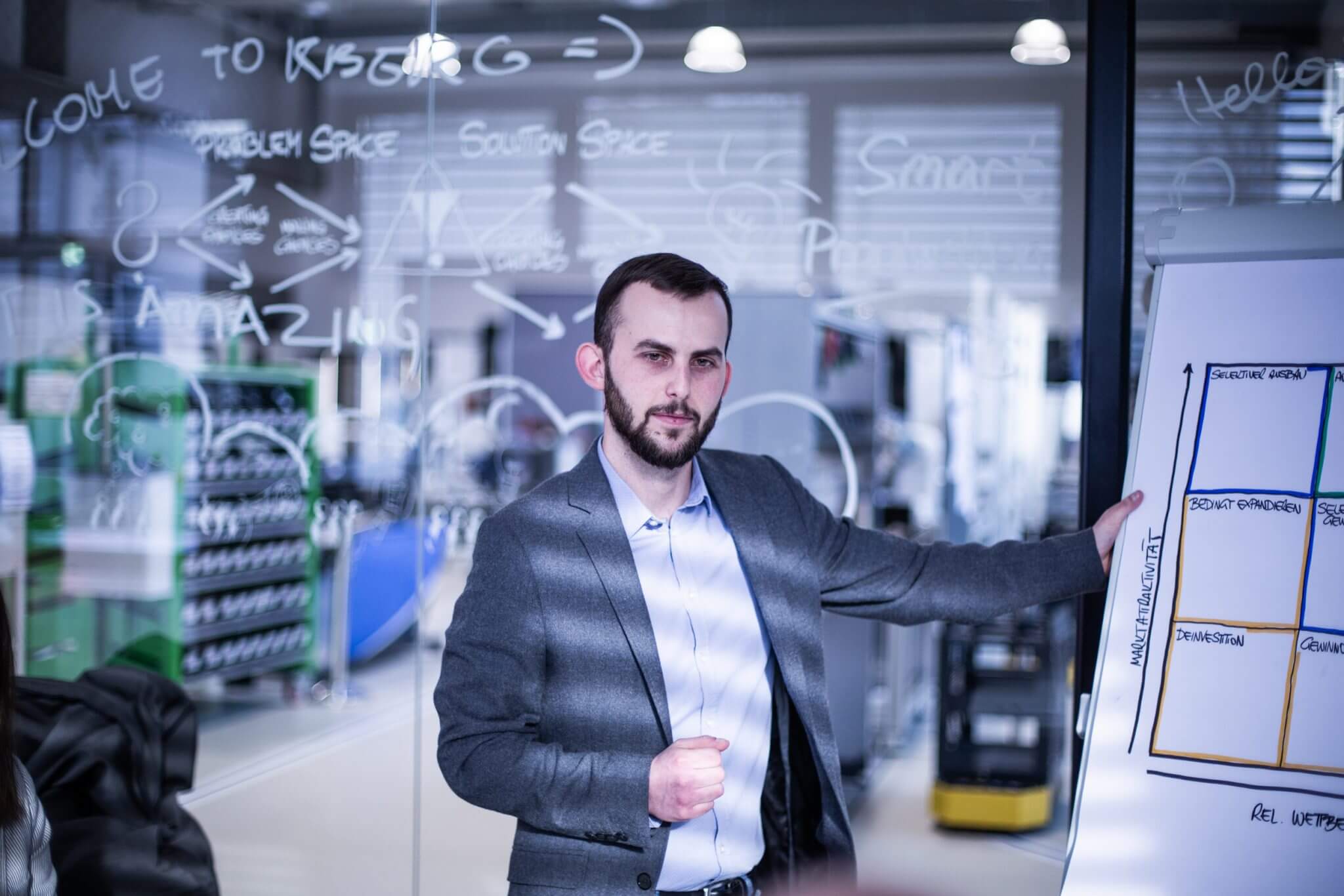
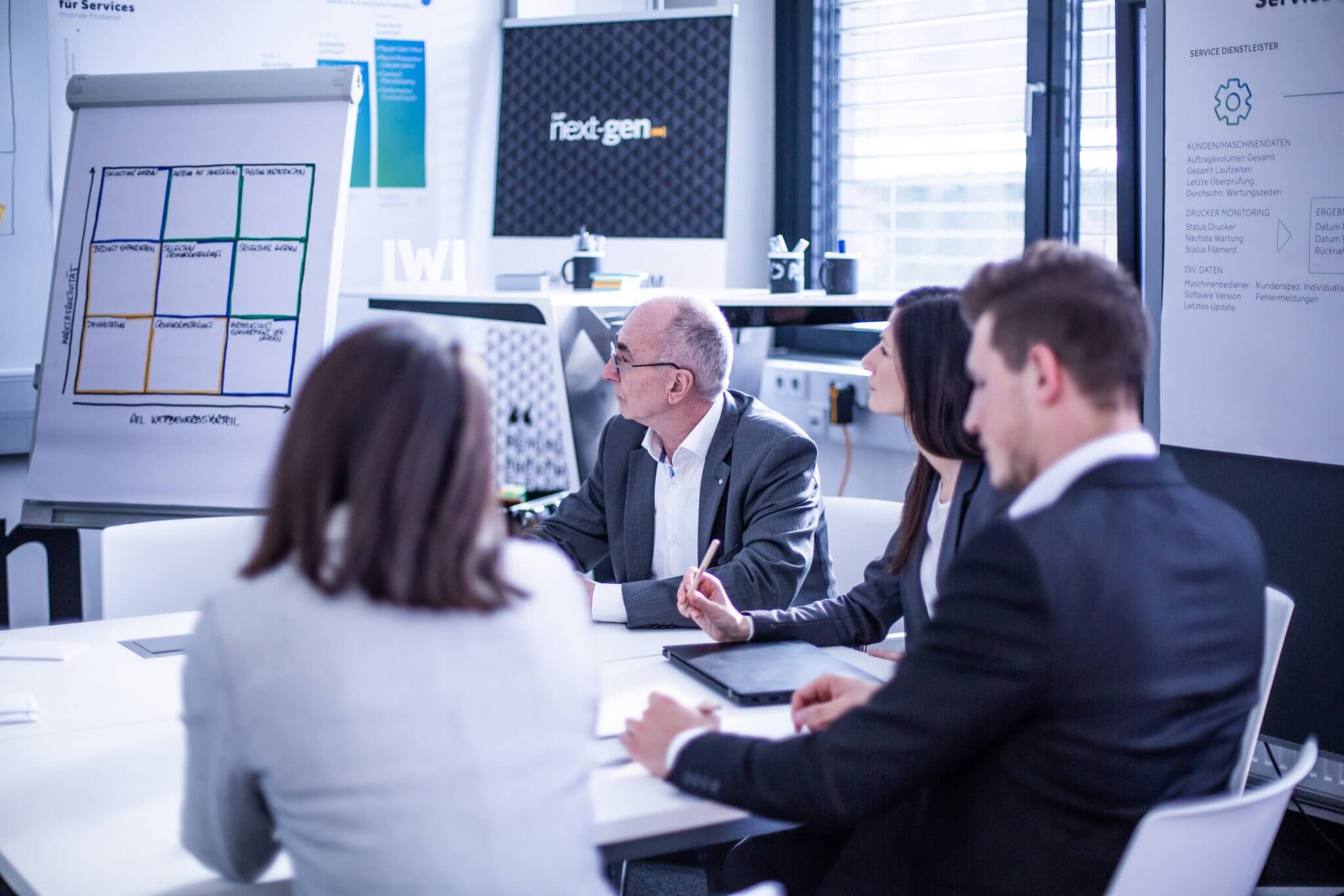
The strategic model was then turned into a practical process. In spring of the previous year, the team launched a workshop to explore two questions: what is the current state of Industry 5.0 in their environment, and where would they like to be by 2030? The workshop brought together different internal perspectives, including operational leadership of the Lab’s machinery and FabLab functions. It also required groundwork. Participants had to conduct literature research so that Industry 5.0 was not treated as a slogan, but as an idea with a background and implications. The workshop design emphasised teamwork and a facilitation methodology that would lead participants beyond discussion and into concrete action after the workshop ended.
That focus on “what comes next” shaped the second half of the intervention. After identifying action points and turning them into a to-do list, the team deliberately added measurement. They set up KPIs intended to capture the outcomes of activities—not only the outcomes that are easiest to count, but those tied to the three pillars. This was an explicit response to one of the central difficulties of Industry 5.0 work: if human-centricity and sustainability are always treated as “hard to measure,” they will always lose priority to the things that already have dashboards.
As the intervention progressed, SPL began to see its impact in the way the Lab could engage companies and learners. Learning factories, the team observed, can have strong effects across audiences—students, industrial participants, and partners—especially when they operate as part of wider, international collaborations. But the most notable outcome from Bridges 5.0 was the ability to show companies a different route to technology adoption. Instead of leading with the technology alone, SPL could demonstrate a more holistic approach that takes the broader aspects of Industry 5.0 into account. The result was not simply a new set of tools or a revised workshop; it was a changed narrative about transformation—one that foregrounded acceptance, strategy, and the human side of implementation.
The project also brought out lessons that extended beyond SPL. One of the clearest was that Industry 5.0 is still not widely understood in industry, even though the European Union has been actively promoting the term. Many companies, the team found, had little idea of what it means in practice. That has two implications. First, the early phase of any Industry 5.0 intervention must start with shared understanding: discussing what Industry 5.0 means in a specific environment before moving into detailed activities. Second, the pathway will never be identical for everyone. SPL’s experience reinforced that each target group—and each company—will find different aspects relevant and necessary on the way to Industry 5.0.
Another lesson was about Industry 5.0 as a self-sustaining process. The workshop uncovered many topics, but the team argued that the process needs to be regularly refreshed. New topics emerge every year, expectations shift, and industry needs support that keeps pace. Treating Industry 5.0 as a one-off initiative risks making it outdated; treating it as a cycle of review, action, and measurement makes it resilient.
In the end, the SPL case underscores a message that is easy to state but harder to operationalise: the future of work and the future of industry will be shaped as much by human talent, skills, and motivation as by machines. Bridges 5.0 did not ask SPL to abandon its technology strengths. Instead, it helped the Lab make those strengths serve a broader purpose—anchoring them in a strategic structure where human centricity, sustainability, and resilience are not add-ons, but load-bearing pillars.
Key lessons learned
Start with common ground: Begin by aligning on what “Industry 5.0” means in the specific environment before moving to actions.
Different target groups need different pathways: Each company/participant group will prioritise different aspects on their journey to Industry 5.0.
Make values operational: A strategy model (the “house”) plus action planning and KPIs helps prevent Industry 5.0 from remaining purely aspirational.
Learning factories can be transformation enablers: A learning factory can provide a “secure space to test technology” while modelling better transformation practices.
Discover more case studies